What is the Market for Metal Board-and-Batten Siding?
If you're looking to diversify your metal roofing business, metal board and batten siding might be your answer. This classic barn-style siding is found everywhere from farmhouses to barndominums to urban homes, and contractors are capitalizing on the trend by adding it to their metal roofing and panel manufacturing operations.
/Rick Zand/9 min read
The board-and-batten siding market continues to grow for rural structures, modern homes, and commercial buildings. What’s different now is that metal board-and-batten is trending upward, thanks to its advantages over wood and composite materials.
Overall, metal has ushered in a new era in siding. The global metal siding market is projected to grow by an estimated 66% by 2034, from $3.5 billion to $5.8 billion. This trajectory translates to opportunity for contractors positioned to adopt metal siding into their business models.
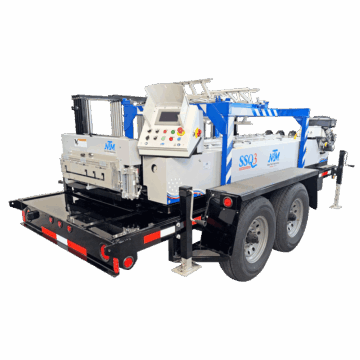
Metal board-and-batten siding gives roofing contractors and panel manufacturers another product to offer for residential, agricultural, and commercial projects. It combines the traditional board-and-batten appearance with steel or aluminum panels and concealed fasteners. Compatible NTM SSQ II MultiPro and SSQ3 MultiPro machines can fabricate panels with the BB750 board-and-batten profile. Before expanding, evaluate local demand, equipment compatibility, material and labor costs, and installation requirements to determine whether it fits your business.
Board and batten is a classic American siding that has been around since the 1800s – think classic barn siding with wide vertical boards and narrow strips (battens) covering the seams. It came about for a practical reason: the batten covers the space between the boards to keep out cold and wind. Over time, it became that classic farmhouse look that’s never gone out of style.
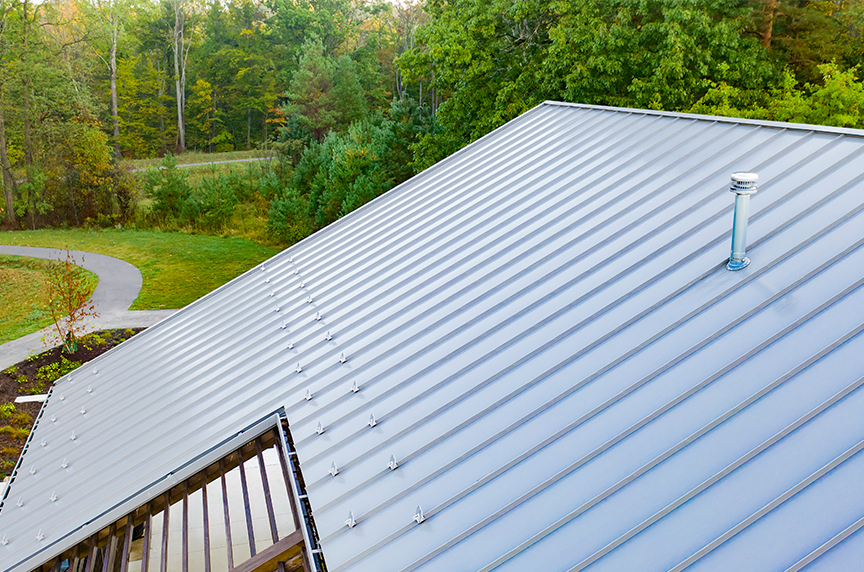
Modern metal board-and-batten uses steel or aluminum panels to replicate the traditional look. It’s used in modern high-end homes, often combined with stone or other materials to capture a contemporary rustic look. With the surge in these mixed-material homes, as well as agricultural structures and barndominiums, metal board and batten is more popular than ever.
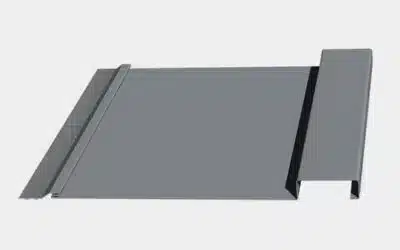
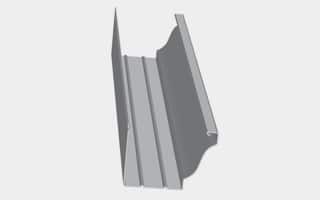
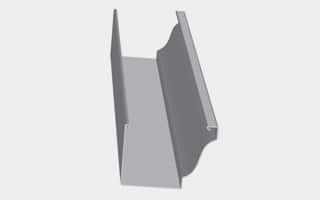
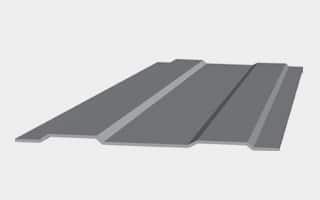
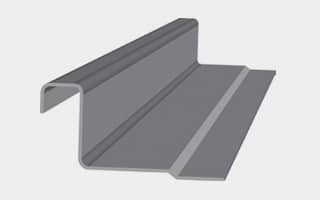
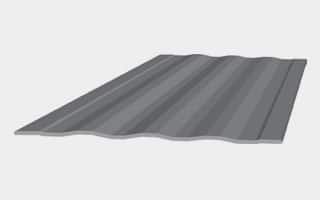
Each metal board and batten panel has an integrated batten rib that snaps over the edge of the next panel, hiding fasteners and creating that authentic board-and-batten appearance.
The result? You get the classic aesthetic without dealing with rotting wood, warping, or insect infestation.
New Tech Machinery’s BB750 Board and Batten profile, designed to fit any SSQ MultiPro dating back to 2014, produces panels with a 2-inch-wide by ¾-inch-deep batten that covers the nail flange of the neighboring panel, just like traditional wood battens, but built to last decades longer.
If you own an SSQ (dating back to 2014), you’re most of the way there. All you need is to add the profile.
Next, we’ll look at the anticipated growth for metal board and batten.
How is Metal Board and Batten Projected to Grow?
According to Market Research Reports, the global board-and-batten metal panel market is projected to grow from $1.081 billion to $1.457 billion by 2032, a compound annual growth rate (CAGR) of 4.4%.
The vertical metal siding market is expected to grow at a CAGR of 5.8% from 2026 to 2033 (from $3.2 billion in 2024 to $5.02 billion by 2033), and U.S. metal panel siding demand is projected to increase 1.2% annually to reach 4.3 million squares.
This projection underscores metal siding’s growing appeal over composite, vinyl, and other materials. As the market expands, contractors are finding new opportunities to offer metal board and batten.
Another benefit is versatility of style, which we’ll get to in the next section.
The global board-and-batten metal panel market is projected to grow from $1.081 billion to $1.457 billion by 2032
Why Do Customers Choose Metal Board and Batten?
Homeowners choose metal board and batten for style and performance.
The Style Factor
Metal board and batten isn’t just functional—it’s versatile. You can offer customers everything from rustic farmhouse vibes to sleek modern designs.
With advanced coating technologies like Sheffield Metals WoodCraft® Woodgrain Metal Roofing Colors, you can get realistic woodgrain finishes that are convincing even from close up.
The creativity is in the customization. Since you’re rollforming from coil stock, you can make panels in whatever width and length the job requires. Want to mix narrow and wide panels for that authentic old-barn look? No problem. Need horizontal installation for contemporary flair? You got it.
Metal Siding Performance
Here’s what you can tell your customers about metal siding:
Durability: Steel and aluminum don’t rot, warp, or crack. They survive severe temperature swings that would damage wood siding. And since the battens cover all the fasteners, you don’t have to worry about exposed screws rusting or backing out.
Longevity: This is a big selling point: 50+ years with minimal maintenance. Compare that to wood siding that might need major work every 15-20 years, and you can see why customers are making the switch.
No repainting every few years, no replacing rotted boards, no worrying about termites or woodpeckers. The factory paint finishes are engineered to last, so once it’s up, it’s basically set-and-forget.
Fire Resistance: Non-combustible siding can save your customers up to 20% on their homeowners insurance. In wildfire-prone areas, this isn’t just a nice bonus – it’s becoming a necessity. It’s also worth LEED credits for its sustainability. Plus, metal is 100% recyclable forever.
How Siding Materials Compare
A look at the material challenges and features
Swipe horizontally to view the full comparison.
Comparison of wood, aluminum, vinyl, fiber cement,
and seamless steel siding from the presentation.
Siding Material
Challenge or Defining Feature
On the Wall
Wood
Rot and repainting
Scrape, prime, repaint, prone to rot regardless.
Aluminum
Dents and chalk
Thin gauge dented; finish chalked off.
Vinyl
Cracks and fade
Brittle in cold, color washed out on the south-facing side.
Fiber cement
Maintenance and dust
Silica dust, heavy boards, sealant, painting, maintenance.
Seamless steel
Rolled on site
Cut to wall length, no painting, integrated battens, no seams.
Metal Board and Batten Vs. Hardie Siding
Hardie board-and-batten siding is comprised of fiber cement panels with batten trim applied over the seams. Both metal and Hardie siding require less maintenance than wood; however, Hardie siding requires sealant and eventually, repainting.
Durability
As for durability, metal never cracks or rots and is fire-resistant. Hardie board can resist the elements as well, but can chip or crack. Additionally, Hardie siding requires proper sealants and regular inspection to ensure moisture resistance.
Installation
Installation is easy with metal board and batten as the panels are lighter. Also, the battens are integrated into the metal panel, so you don’t have to add the battens after the panels are in place.
Hardie panels are heavier, and the separate battens require more installation time. Also, cutting Hardie panels produces toxic silica dust, a serious health hazard that must be carefully managed.
On-site advantage
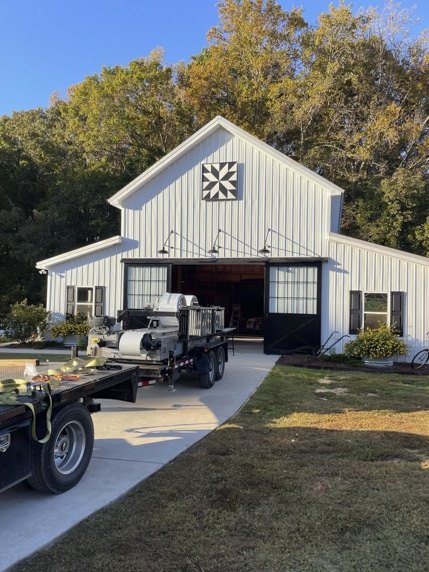
Producing metal board-and-batten panels on-site offers a clear advantage over Hardie or other composite materials that require transportation.
With an NTM SSQ3 MultiPro’s board-and-batten profile, you can run the panels custom for the job. No worries about panel damage during transport or order mistakes, as you own your panel production.
What Does Metal Board and Batten Cost?
Metal board and batten ranges in price anywhere from $4.25 to $11.00+ per sq. ft., depending on material type, gauge, and finish. While consumers might see it as more expensive than some other materials, metal siding will last 40-60 years.
So in the long run, metal board and batten is a money saver. That’s why we’re seeing metal board and batten on apartment complexes, commercial structures, high-end residences, and farm buildings.
When you factor in the life-cycle costs, it’s no contest; metal wins hands down. No repainting every few years, no replacing damaged boards, no ongoing maintenance issues.
Plus, insurance discounts and potential energy efficiency rebates can help offset the initial investment. And it will last decades.
Getting Set Up With Metal Board and Batten: NTM Equipment You Need
As mentioned, if you’re already running a portable rollformer, you might be closer to offering board and batten than you think.
New Tech Machinery’s SSQ3 MultiPro can run board-and-batten profiles, and our engineers even retrofitted the tooling for older SSQ machines dating back to 2014.
The profile became the 16th available option on the SSQ. NTM developed it specifically because contractors kept asking for a B&B option, and the orders came flooding in. It remains one of our most popular profiles.
You’ll typically run 24- or 26-gauge steel or 0.027″ to 0.032″ aluminum coil. The SSQ3 can handle coil widths from 15″ to 30″, giving you finished coverage from about 10″ to 25″ for the B&B profile.
The automatic hydraulic shear lets you cut panels to exact lengths on-site – a huge advantage when you’re dealing with tall walls.
NTM Board-and-Batten Projects
Contractors are making money with metal board and batten. Take The Legacy Project in Greeley, Colorado – a Western stock show building that needed about 18,450 square feet of board and batten siding. The city chose metal with a wood-grain finish over stucco, even though it cost about $20,000 more, because they wanted the authentic look with long-term durability.
This was one of the first projects to combine board-and-batten siding with wood-grain metal, and it was even featured in Rural Builder Magazine.
Flatiron Steel, the manufacturer that ran those Legacy panels with an SSQ, reports filling B&B orders two to three times a week consistently. That’s steady demand, and it’s growing.
The applications are everywhere:
Modern farmhouse homes (huge trend right now)
Barndominiums and agricultural buildings
Commercial projects wanting that warm, welcoming look
Board & batten with metal woodgrain wainscoting, black metal B&B, and weathered woodgrain metal siding.
Why Would Board and Batten May Make Sense for My Business?
The roofing market is competitive. Adding metal siding, especially a high-demand profile like board and batten, gives you another way to serve your existing customers and attract new ones.
If you’re a panel manufacturer, talk to some local contractors. They may already be ordering B&B panels from another supplier or looking for a manufacturer who can meet the demand.
You’re already known for servicing the most essential home protector (the roof), so it’s a natural extension to offer metal walls, too. Plus, the installation skills translate well—if you can handle standing seam, you can handle the easier board-and-batten siding.
The market is telling you this is where it’s heading. Homeowners want the farmhouse look but don’t want the maintenance nightmare of wood. Builders are specifying metal siding more often because they’re tired of callback issues with other materials.
Bottom Line on Metal Board and Batten Siding
Metal board and batten siding represents a solid opportunity to grow your business with a product that actually delivers durability and style. It gives customers the look they want without the hazards of wood, and it gives you a chance to expand beyond standing seam.
The equipment is available, the market demand is proven, and the profit margins can be good if you position it right. Whether you’re looking to diversify your services or just give your customers more options, metal board and batten is worth serious consideration.
For more information about our board and batten profile, or for any NTM machines and accessories, contact us to speak to an expert account manager.
Ready to learn more about adding metal board and batten to your services? The technology is proven, the market is there, and the opportunity is growing. The question isn’t whether this trend will continue – it’s whether you’ll be part of it.Call us today.