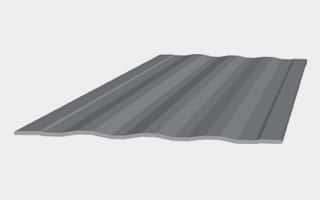
Whether you’re a metal roofing contractor using factory-made panels or have just started looking at the opportunities in metal roofing, you’ve probably heard about standing seam panels. But what is a standing seam machine?
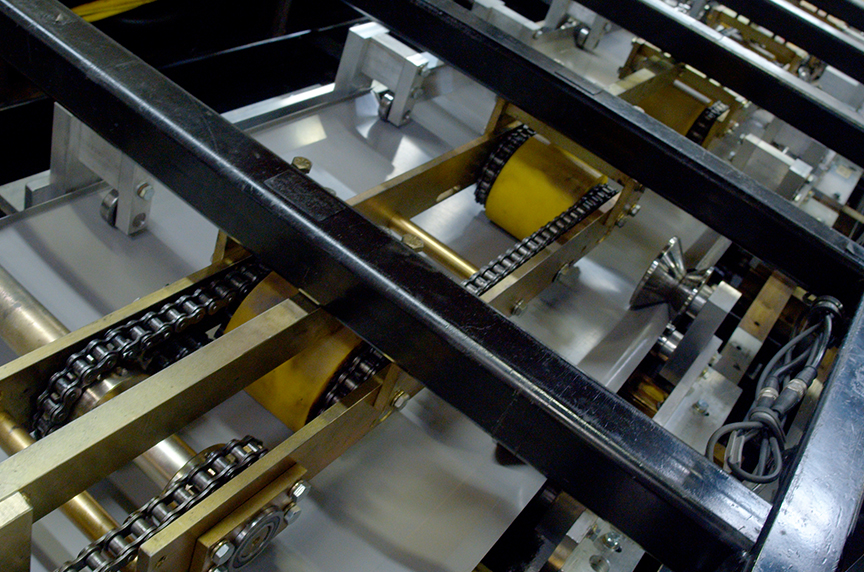
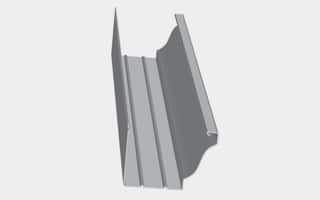
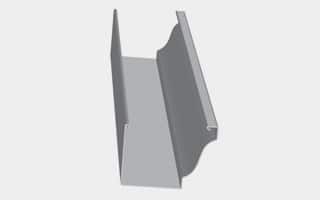
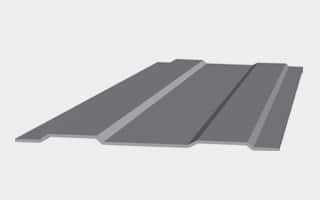
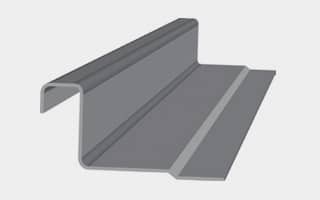
To put it plainly, a standing seam machine, also known as a rollformer or metal roof panel machine, is used to manufacture metal roofing and siding panels. It operates using steel rollers to form the panel into a standing seam or another type of metal roof or wall panel. The profile rollers, also referred to as tooling or forming rollers, form flat metal from a coil to produce specific profiles, such as a snap lock, mechanical seam, or siding panel.
In this article, you’ll discover the types of standing seam machines and how they’re used so you can figure out which option best fits your operation.
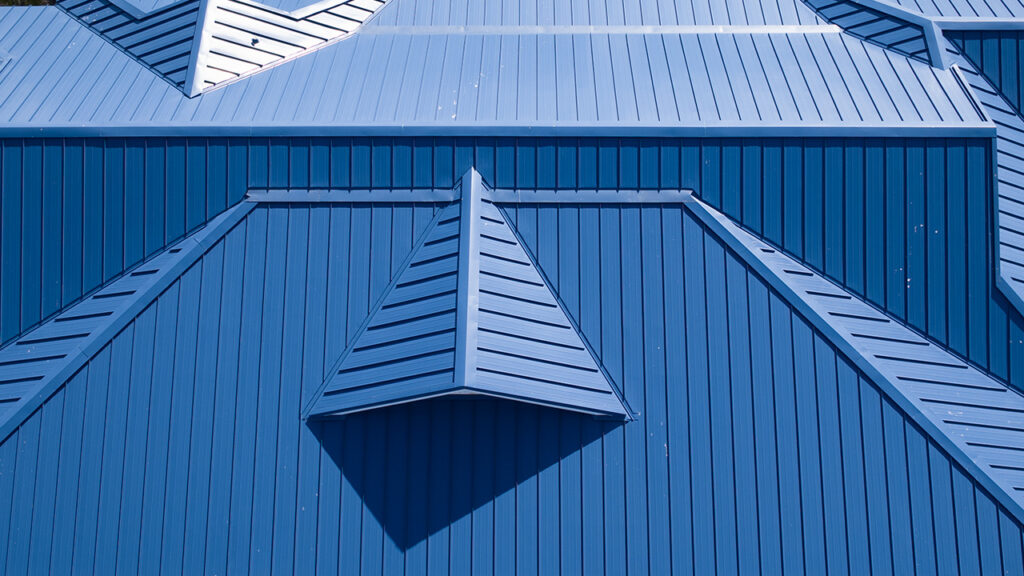
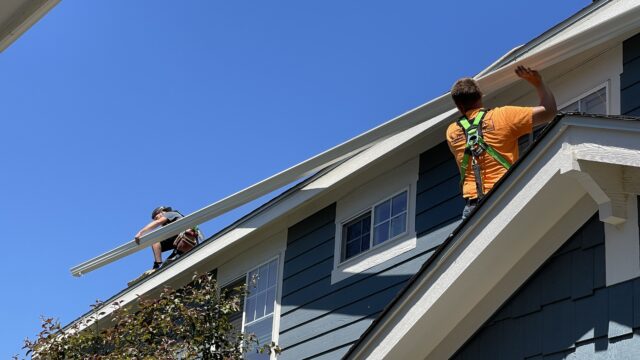
Standing seam is a popular style for both residential and commercial metal roofs. Standing seam panels feature hidden fasteners to help prevent leakage that can occur with exposed-fastener panels, such as AG or R panels.
Standing seam roofs withstand harsh weather and last decades longer than shingle roofs. Additionally, with new styles and colors emerging every year, they can add a modern, colorful look or a classic, rustic appearance to any structure, depending on the finish.
Stand seam machines, like those manufactured by New Tech Machinery (NTM), produce two types of standing seam roofs:
Snap lock
Mechanical seam
Snap Lock Panels
Snap lock panels have pre-formed edges that snap together without the need for special tools, making installation faster and simpler. They’re typically suitable for roofs with a pitch of 3/12 or greater.
Mechanical Seam Panels
Mechanically seamed panels, on the other hand, require special equipment to crimp the panel edges together. It’s more work, which adds to the cost, but this crimping process creates a tighter seal, making mechanical seam panels ideal for low-slope roofs or harsh weather conditions, such as high winds. They can be installed on roofs with a minimum slope of .5/12, depending on the seam height and specific product design.
Because mechanically seamed panels are stronger than snap-lock panels, they’re ideal for commercial projects that span open purlins.
Which Standing Seam Profile is the Best?
A contractor must know their customers’ needs, depending on the region and preferred style. Also, projects may require certain profiles and testing. Local regulations may play a role in determining which profile you need as well.
That said, if you have the right standing seam machine, you can run a variety of profiles. The caveat here is that you’ll have to purchase each separately, so if you’re running a 2” snap lock and win a bid for a job that requires a 2” mechanical seam, you’ll need to invest in another set of tooling. But more on that later.
The exception is NTM’s SSQ275 2” proprietary profile that can be snap locked or mechanically seamed. It’s the only profile on the market that can do both, saving you from having to purchase that extra set of tooling should the occasion arise.
What are the Different Types of Standing Seam Machines?
There are two basic types of standing seam machines:
In-plant
Portable
In-Plant Standing Seam Machines
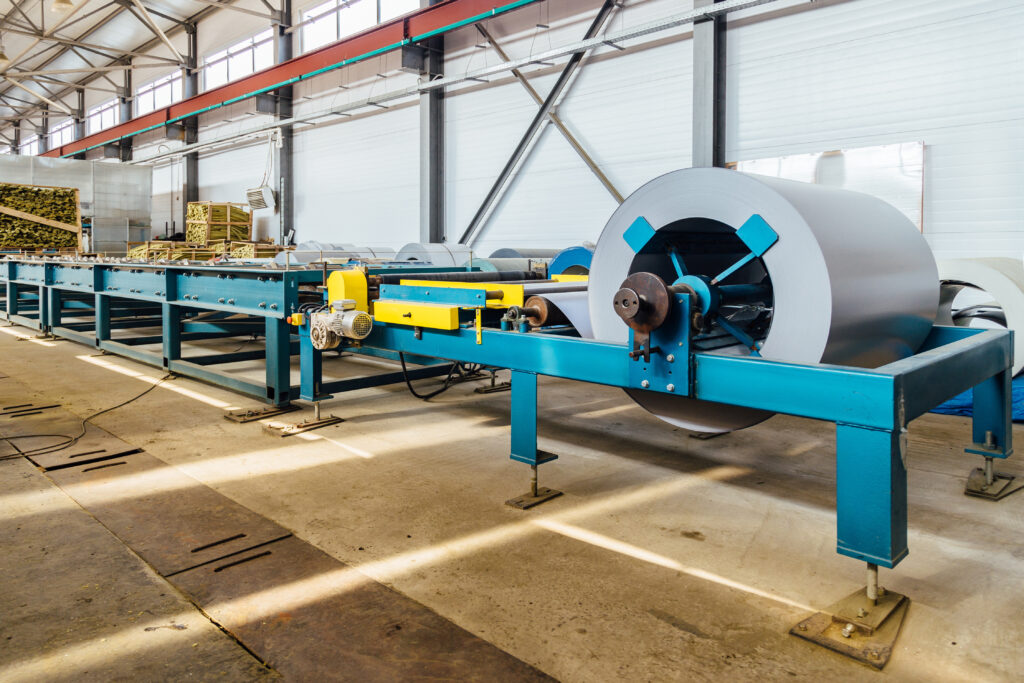
In-plant standing seam machines are often used by metal panel manufacturers that supply prefabricated panels to contractors. These machines are extremely large and heavy, averaging around 15,000 lbs. and 20’ to 30’ in length. Designed for continuous mass production, they are fully automated and produce panels at an average rate of 150’ to 300’/min. As you can probably guess, they’re not transportable from the manufacturing facility.
In-plant standing seam machines can be purchased as-is or custom-built to your specifications. As for cost, they can range from hundreds of thousands to millions of dollars. They’re best suited for large-scale manufacturing operations involved in extensive metal panel production.
Pros:
Speed: Average from 150’/ min. to 300’/ min, and as fast as 400’/ min.
Wide panels: In-plant machines can produce extremely wide panels, as opposed to smaller portable machines.
Specialty panels: Because the machine manufacturer can customize them, tooling can be engineered to produce specialized architectural panels.
Constant run time: In-plant machines can run non-stop, all day.
Cons:
Changeovers: Changing the profile tooling could take a day or longer. They’re large machines with multiple stations, and those rollers are heavy.
Cost: You’re looking at a starting price of $400k. Once you add profiles, accessories, automated controllers, and other options, the cost can easily jump over the million-dollar mark.
Stationary: They weigh ¾ of a ton and they’re as long as a boat. Even if you could haul one, you’d have trouble finding space for it on a residential street.
Space: It’s a big machine that won’t fit in your garage. You’ll need shop space, and plenty of it.
What is a Portable Standing Seam Machine?
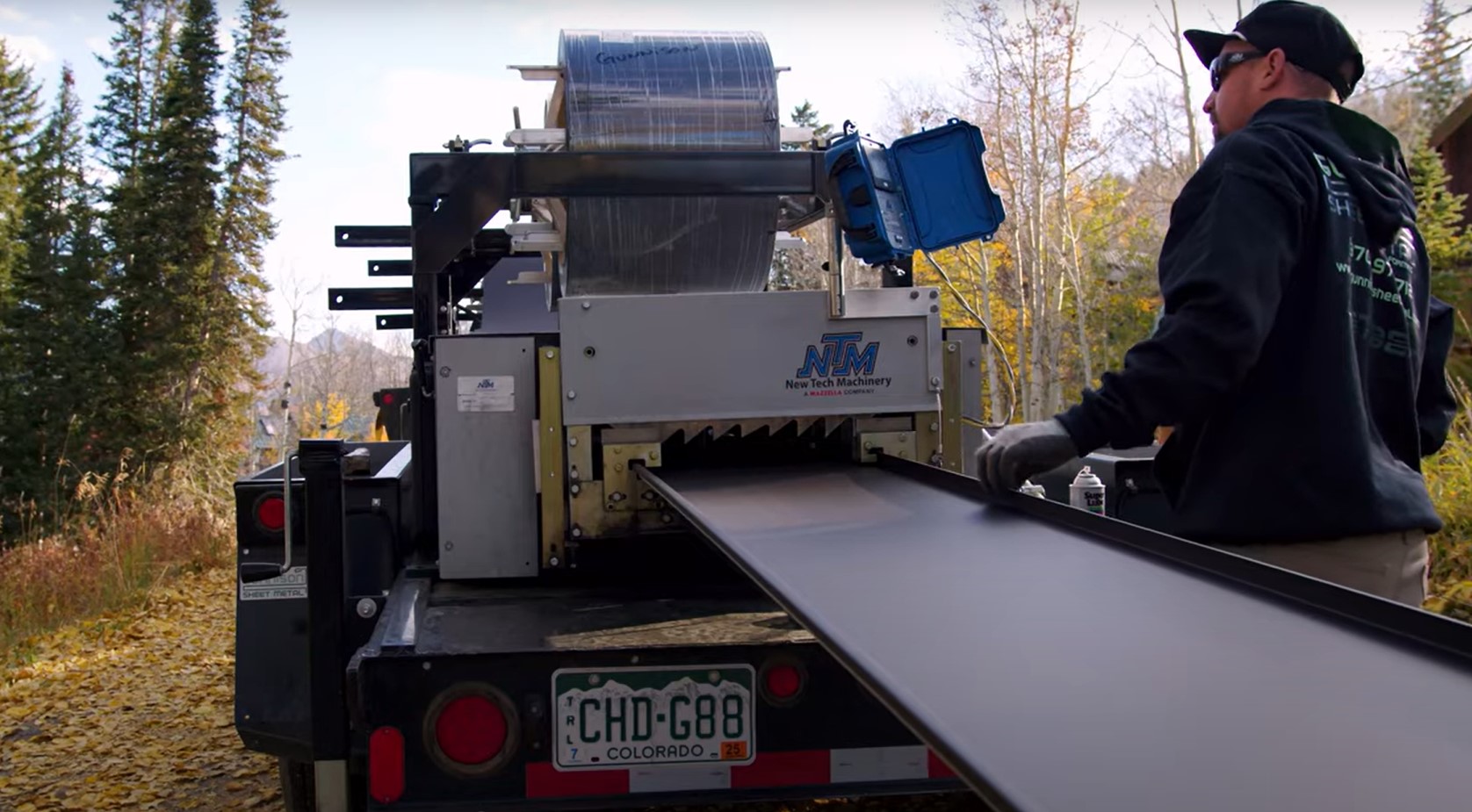
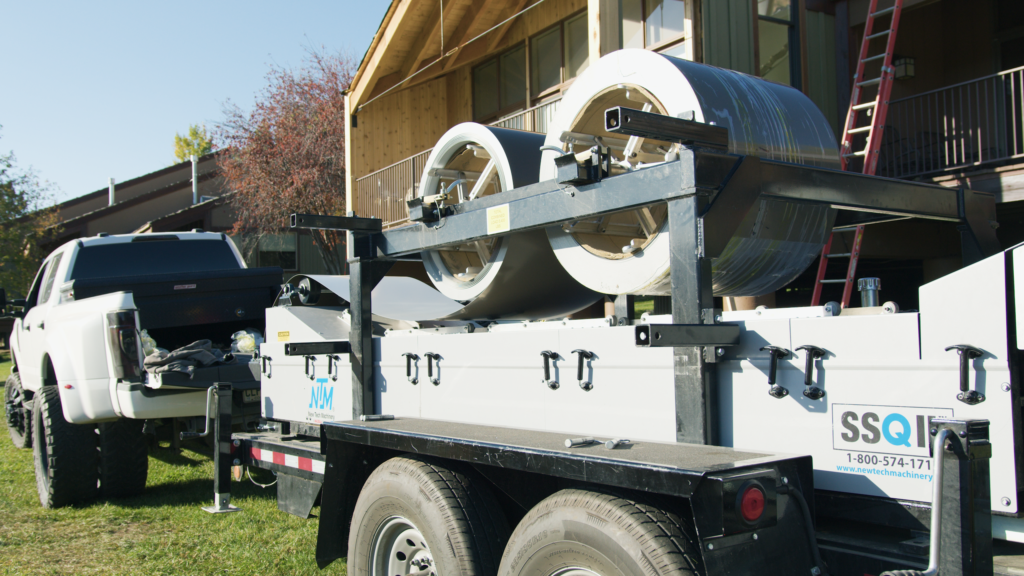
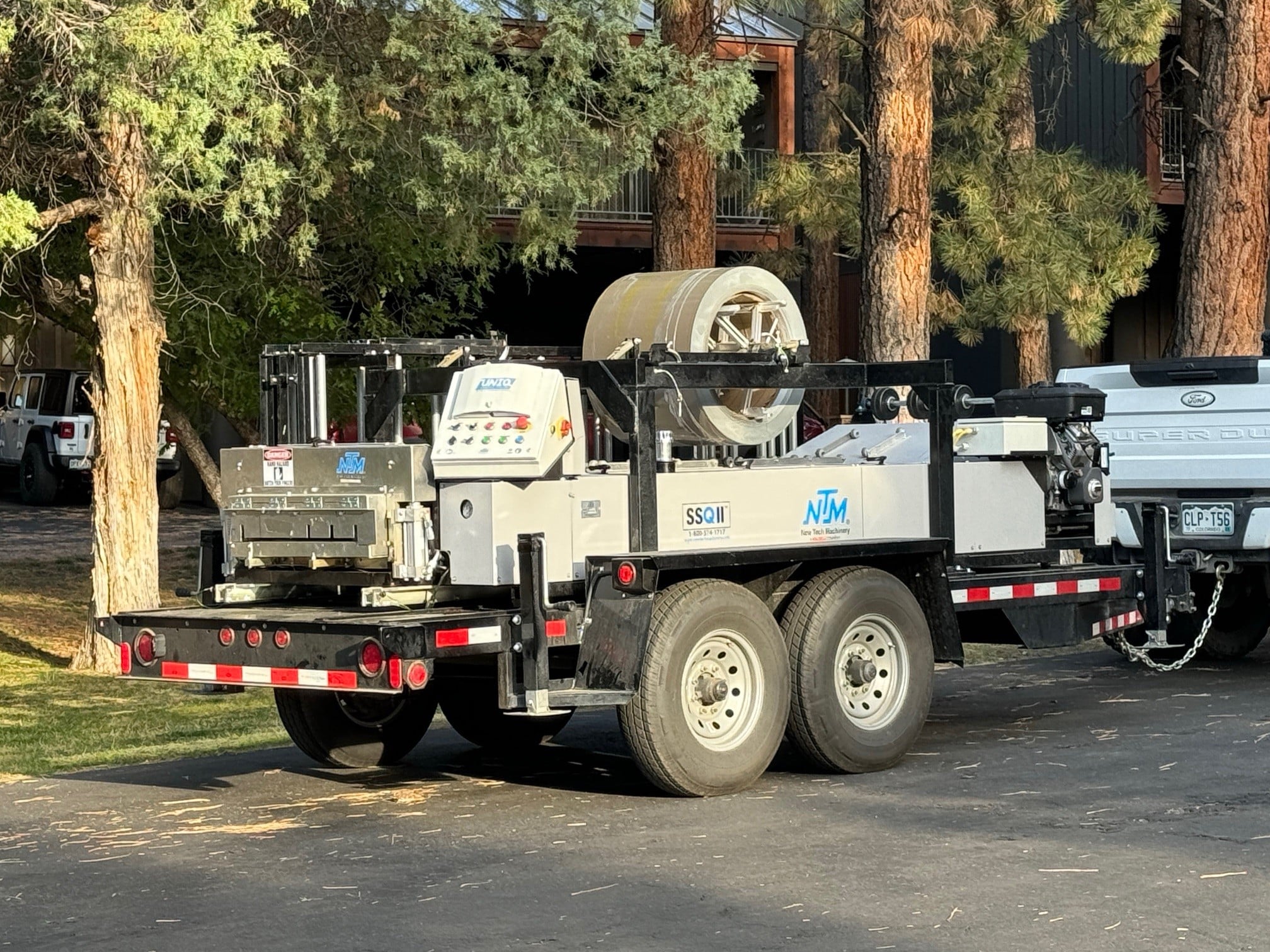
Portable standing seam rollforming machines , as the name implies, can be taken right to the job site. They can also be used by panel manufacturers, but they’re designed for contractors who want to run panels directly on location.
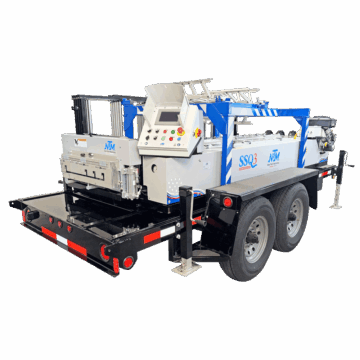
The portable standing seam machines are significantly smaller than the in-plant models, weighing an average of approximately 4,500 to 5,500 lbs. and measuring around 12’ to 15’ in length. This way, they can fit on a trailer or inside a large truck. The coil is secured on cradles or reels above the machine to keep the whole panel manufacturing apparatus as compact as possible.
Portable Standing Seam Machines come in two basic types.
Fixed panel
Multi-profile
Fixed Panel Standing Seam Machines
Some machine manufacturers produce fixed-panel standing seam machines. This means that the profile tooling cannot be changed, so that if you have a fixed-panel machine that runs 1.5” snap-lock, that’s all it can ever run. If you then want to run 2” mechanical seam, you’ll have to purchase another machine.
A contractor may prefer to have a fixed panel standing seam machine that runs the most common profiles. However, many like the ability to change standing seam profiles on a single machine.
Multi-Profile Portable Standing Seam Machines
Multi-profile portable standing seam machines can run a variety of profiles. New Tech Machinery portable standing seam machines can produce multiple profiles, ranging from seven common standing seam profiles on the starter SSR™ MultiPro Jr. and midrange SSH™ MultiPro, and up to 16 profiles on NTM’s flagship SSQ3™ MultiPro Roof & Wall Panel Machine—the most of any portable machine on the market. As with any portable standing seam machine manufacturer, profiles are each sold separately.
Pros:
ROI: You’ll make more money running your own panels than going through a distributor where you’re paying manufacturing and transportation costs.
Operational control: You have total control of your metal panel operation, so you can customize panels to your needs. If there’s a size mistake or a damaged panel, you can run it again on-site. You won’t have to call the manufacturer and wait for a replacement panel to be delivered.
Transportability: While you can use it as an in-plant, the fact that you can take the machine right to your job site and run the panels as long as you like is a real benefit. You don’t have to wrap and haul the panels on a flatbed or pay a premium for delivery. All you need is a trailer and truck, and you’re in business.
Opportunity: You can fill that time between jobs by running panels for other contractors. They can pick them up from your shop, or you can perform a “chop-and-drop,” where you run the panels at their jobsite, and they perform the installation.
Cons:
Speed: The average speed for a portable rollformer is 60’/min. to 75’/min. The fastest is around 90’/min. Compare this to an in-plant standing seam machine and you’ll see there’s a big difference. However, even for commercial jobs, the portable rollformers are plenty fast enough.
Workload: Unlike in-plant standing seam machines that can run non-stop, portable machines aren’t built for that kind of heavy-duty use.
Profile customization: While portable standing seam machines can run multiple profiles, they are standardized. It’s difficult to purchase a custom profile for a specific architectural spec.
FAQs
What is a standing seam machine, and what does it do?
A standing seam machine (also called a rollformer or metal roof panel machine) forms flat metal coil into roofing or siding panels using a series of steel forming rollers.
It produces profiles like snap lock and mechanical seam, as well as wall/siding panels, depending on the tooling installed.
What’s the difference between snap lock and mechanical seam panels?
Snap lock: Panels snap together without special tools, speeding up installation. Generally suitable for roof pitches ≥ 3/12.
Mechanical seam: Panel edges are crimped with a seamer for a tighter, more weather-tight seal. Ideal for low-slope roofs (down to about 0.5/12 depending on seam height and product) and harsh conditions/high winds. Often used on commercial projects spanning open purlins.
What are the main types of standing seam machines?
In-plant machines: Large, heavy, fully automated systems for continuous mass production (≈150–300 ft/min; up to ~400 ft/min).
Portable machines: Designed for jobsite use (≈4,500–5,500 lbs; 12–15 ft long); average speeds 60–75 ft/min (up to ~90 ft/min). Options include fixed-panel (single profile) and multi-profile machines.
Should I choose a fixed-panel or a multi-profile portable machine?
Multi-Profile gives you the most flexibility: Change profile tooling as needed for the project (e.g., 1.5″ snap lock to 2″ mechanical seam).
NTM examples: SSR MultiPro Jr. and SSH MultiPro (up to 7 profiles), SSQ3 MultiPro (up to 16 profiles—the most of any portable machine). Note: Each profile’s tooling is purchased separately.
Tip: NTM’s proprietary SSQ275 2″ profile can be snap locked or mechanically seamed, reducing the need for a second tooling set.
How do I decide between an in-plant machine and a portable rollformer?
Choose portable if: You want fast ROI by running panels in-house/on-site instead of buying factory-made panels. You value jobsite flexibility, reduced freight/damage risk, and the ability to correct panel issues immediately.
Choose in-plant if: You’re operating a large-scale manufacturing facility focused on high-volume, continuous production, and have the capital, space, and demand to justify the investment.
Which Standing Seam Machine is My Best Option?
Your choice of which standing seam machine is right for your business really depends on your goals, the size of your operation, and your budget. If you’re currently purchasing factory-made metal panels, you’ll likely see the ROI on your first job by using a portable standing seam machine.
If you plan to do large-scale panel manufacturing, the in-plant standing seam machine may be worth the costly investment.
To learn more about portable standing seam rollformers, check out our machine page. For more information about New Tech Machinery portable standing seam rollformers and accessories, speak to an experienced account manager.