Review: Interior Metal Siding Applications, Benefits, and Panel Types
What is interior metal siding? As metal roofing and siding grow in popularity, interior metal siding has also gained a market. In this blog, discover the uses, advantages, and design styles of interior metal siding.
/Rick Zand/10 min read
While metal roofs and siding are gaining in popularity, metal interiors likewise have been a trend, especially for contemporary homes and businesses wanting an industrial aesthetic. With the introduction of new metal designs like woodgrain and rust and an array of colors and styles, metal doesn’t need to have a cold, industrial look, either. Designers can choose between an industrial appearance or a warmer country home aesthetic.
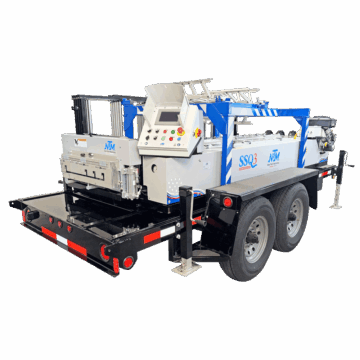
For over 30 years, New Tech Machinery (NTM) has built portable rollforming machines that produce a variety of metal roof and wall panels. Our SSQ II MultiPro offers flush wall and board-and-batten panel profiles that can be used for external or internal walls. Flush wall panels can also be used for soffits and underdecks.
Applications for Interior Metal Siding:
Interior metal siding offers a range of applications due to its versatility of styles and functional benefits. Here are some common uses:
Industrial and commercial spaces:
Metal siding offers a durable, low-maintenance alternative and is common in large commercial structures. It’s resistant to chemicals, the elements, and rust, and is easy to clean.
Warehouses—Metal is durable and requires little maintenance.
Factories-chemical, rust, and heat resistance makes metal panels ideal in a factory setting. They clean up easy as well.
Garages—Metal siding offers many style options to match a home or building and it holds up to the elements.
Business centers—metal siding is durable, low-maintenance and easily covers a large area. You don’t have the expense and hassle of transporting materials as you can run panels on-site.
A large garage with a black door and a white light above it
Residences:
Metal siding has become more common in residential projects, especially with the current trend of mixed material styles.
Modern lofts: Exposed metal siding creates an industrial chic aesthetic. It’s available in various styles, including rust, copper, woodgrain, and custom-designed.
Accent walls: Metal panels can accent fireplaces, dining rooms, living rooms, bars, or bedrooms.
Kitchen backsplashes: Stainless steel or copper siding offers a sleek, easy-to-clean surface.
Laundry rooms: Metal siding resists moisture and is easy to clean.
Mud rooms: It’s resistant to rust and stands up well to daily wear and tear.
Institutional buildings:
Schools: Metal siding in hallways can withstand student traffic and reduce maintenance.
Hospitals: Its antimicrobial properties (when treated) and easy cleaning make it suitable for healthcare settings.
Sports facilities: Durable metal siding can handle high-impact areas in gyms or indoor courts.
Science labs: Metal siding provides chemical resistance and easy cleaning.
Workshop areas: It’s durable, withstands wear and tear, and cleans up nicely.
Hospitality Centers:
Restaurants: Metal siding in kitchens meets hygiene standards and resists heat and moisture. It’s also decorative for dining areas and can add a modern touch.
Hotels: It can be used in lobbies and conference rooms for modern design styles.
Visitor centers: Metal siding styles can reflect the region with a rustic look or more urban sensibility.
Event centers: It’s low maintenance and easy to clean, and durable enough to stand up to any indoor event.
Cultural Venues:
Museums: Metal siding can complement contemporary art displays. Museums of modern art often feature metal interiors.
Theaters: It can be used for acoustical purposes, especially when the panels are formed with a perforator.
Specialized environments:
Recording studios: Metal siding can be part of sound isolation system.
Data centers: They provide fire resistance and security for sensitive equipment.
Renovation projects:
Covering damaged walls: Metal siding can be installed over existing surfaces as a quick upgrade.
Basement finishing: It resists moisture, making it suitable for below-grade spaces.
Retail spaces:
Store displays: Metal siding creates a neutral backdrop for merchandise.
Changing rooms: It offers durability and easy maintenance in high-use areas.
When considering metal interior siding, it’s important to choose the appropriate type of metal and finish for the specific application. Factors like acoustics, insulation, and overall design aesthetic should be taken into account. Additionally, proper installation is important to maximizing the benefits and longevity of metal interior siding.
A copper feature wall with a patina finish
Benefits of metal interior walls:
Durability:
Metal walls, particularly those made of steel or aluminum, are highly resistant to damage. Unlike drywall, which can easily be punctured or cracked, metal walls can withstand a good deal of impact. For example, in a busy warehouse or industrial kitchen, metal walls can endure accidental collisions with equipment without showing damage.
Fire resistance:
Many metals, especially steel, have excellent fire-resistant properties. In commercial buildings, metal walls can help contain fires and prevent them from spreading quickly. For instance, in a laboratory setting where fire hazards are a concern, metal walls can provide an extra layer of safety.
Low maintenance:
Unlike wood or drywall, metal walls don’t require regular painting or patching. In a school hallway, for example, metal walls can withstand years of student traffic without needing frequent touch-ups or repairs. They can typically be cleaned with simple soap and water solutions.
Moisture resistance:
Metal walls are impervious to water, making them ideal for humid environments. In a bathroom or indoor pool area, metal walls can prevent the growth of mold and mildew that often grows on drywall or wood in humidity.
Versatility:
Metal walls can be finished in various ways to achieve different looks. They can be painted, powder-coated, or left bare for an industrial aesthetic. In a modern loft apartment, exposed metal walls might be left unpainted for an urban chic look, while in a pediatric clinic, they might be painted in bright, cheerful colors.
Longevity:
Metal walls often outlast traditional materials. In a commercial setting like a retail store, metal walls can endure decades of use without needing replacement, potentially lasting the entire lifetime of the building.
Eco-friendly:
Many metals used in construction, such as steel and aluminum, are 100% recyclable. These materials can be reclaimed and repurposed at the end of a building’s life. Some manufacturers even produce wall panels made from recycled metal, further reducing environmental impact.
Pest resistance:
Unlike wooden structures, metal walls don’t provide food or habitat for pests like termites or carpenter ants. In areas prone to these pests, such as tropical climates, metal walls can significantly reduce pest-related damage.
Cons of using metal for interior walls:
Cost:
The initial cost of metal walls can be higher than traditional materials. For example, installing steel wall panels in a residential home might cost 20-30% more than standard drywall installation. However, the long-term durability might offset this cost over time, and you’ll never have to repaint. Plus, because metal is renewable, you may be eligible for rebates or credits.
Soundproofing challenges:
Metal tends to bounce sound rather than absorb it. In an open-plan office with metal walls, additional sound-absorbing materials like acoustic panels might be necessary to create a comfortable working environment. Also, using a perforator to perforate the panels is recommended and can improve the acoustics of the room.
Potential for corrosion:
In environments with high humidity or exposure to certain chemicals, some metals can corrode. For example, in a coastal home, salt air could potentially cause rusting in untreated steel walls over time. Proper treatments and finishes can prevent this.
Installation complexity:
Installing metal walls often requires specialized skills and tools. This can add to the overall cost and complexity of a construction project.
Potential for denting:
While generally durable, thin metal walls can still dent from strong impacts. In a home gym, for instance, accidentally dropping a heavy weight could potentially dent a metal wall panel.
Electrical considerations:
Metal walls can interfere with wireless signals and require special care when installing electrical systems. In a smart home with many wireless devices, metal walls might necessitate additional Wi-Fi repeaters or a more complex network setup. Additionally, electrical outlets and wiring need to be carefully insulated to prevent any risk of shock.
These elaborated points are intended to provide a more comprehensive view of the advantages and challenges associated with using metal for interior walls. The suitability of metal walls ultimately depends on each building project’s specific needs and the customer’s style preference.
Types of interior metal wall panels:
Corrugated Metal Panels:
Corrugated metal panels, characterized by their wavy pattern, provide a rustic and industrial look. They are durable and often used commercially but also give residential interiors a rustic or industrial touch.
Flush Wall Panels:
Flush wall panels have a smooth, sleek surface, offering a modern, minimalist appearance. They can be painted or coated in various finishes to match the interior decor and are ideal for contemporary spaces like dining rooms, living areas, and kitchens. They can use either hidden or exposed fasteners.
Shiplap Metal Panels:
Mimicking the classic wooden shiplap design, these metal panels overlap to create a seamless look. They are perfect for achieving a farmhouse or coastal New England style.
Perforated Metal Panels:
Perforated metal panels feature a pattern of holes and are decorative and functional. They provide sound absorption and ventilation and are commonly used in spaces requiring both aesthetics and practicality, such as offices and movie theaters.
Metal Tile Panels:
Designed to resemble traditional tiles, these metal panels come in various shapes and patterns. They add a decorative touch to walls and are often used in kitchens, bathrooms, and feature walls.
3-D Metal Panels:
These panels have a three-dimensional texture, creating a visually striking effect. They are available in various geometric patterns and are used to add depth and interest to a room in a residence, office building, or hotel.
Rustic Metal Panels:
Often made from weathered or reclaimed metal, these panels provide a vintage or industrial look. They are great for adding character and warmth to interiors, especially in lofts or eclectic spaces.
Metal Wainscoting Panels:
Used as a decorative lower wall covering, metal wainscoting panels protect walls from damage while adding a stylish element. They are available in various patterns and finishes to complement traditional or contemporary interiors.
Beadboard Metal Panels:
Similar to wooden beadboard, these metal panels have a series of vertical grooves. They offer a classic look with the durability of metal, which is ideal for creating a cozy, cottage-like feel in a room. They can be applied to ceilings as well.
Embossed Metal Panels:
Featuring raised designs or patterns, embossed metal panels add a touch of elegance and sophistication to interiors. They are often used as accents or feature walls to draw attention and add texture in offices and commercial or industrial spaces.
Board and Batten Panels:
Metal board and batten siding creates a rustic farmhouse look. It’s an excellent choice for both residential and commercial buildings. The boards are installed vertically with the battens covering the fasteners, replicating classic wood panels.
Most of the panels mentioned will have to be ordered through a manufacturer. However, with a portable rollformer, you can still offer the most popular options.
NTM’s SSQ II™ MultiPro Metal Siding Profiles
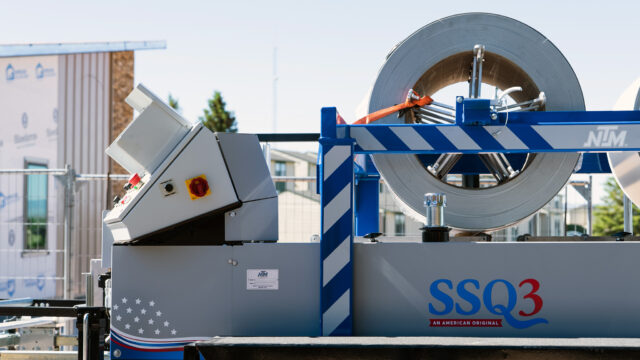
Our SSQ II MultiPro Roof and Wall Panel Machine is the most versatile portable rollformer in the market. With 16 profile offerings, manufacturers and contractors have plenty of options, including three siding profiles:
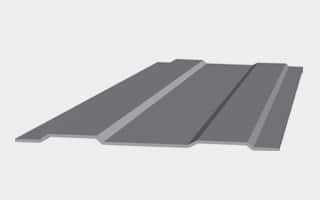
Flush Wall, Soffit, and Underdeck Panels
NTM offers the FWQ100 and FWQ150 panel profiles, which can be used as wall panels, soffit panels, and under-decking. The roller set also has an optional perforator/crimper that adds venting holes to the finished panel for use as a vented soffit panel. It also has a 0” to 3” adjustable reveal on the roller set assembly that you can engage as it suits your project requirements.
Materials: 28 ga. to 22 ga. steel (painted, Galvalume, coated galvanized), .027” to .040” aluminum (painted), and 16 oz. to 20 oz. ¾ hard copper
Panel width: 12” to 22”; 25” maximum coverage with 3” reveal
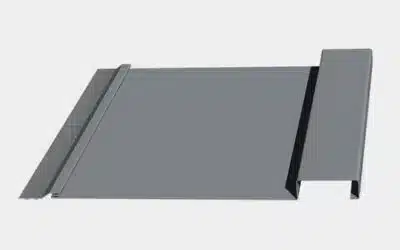
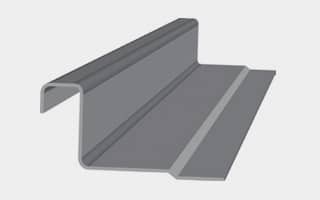
Board and Batten Siding
Since its release in May 2023, NTM’s board-and-batten profile has really taken off. We’ve seen it used in residential and commercial structures, from Indiana farms to countryside barndominiums to contemporary homes in urban centers. The board-and-batten profile is available only for our SSQ MultiPro machines dating back to 2014. For more information on this profile, click here.
Materials: 26 ga. and 24 ga. Grade 50 steel, and .027 and .032 Aluminum (painted)
Panel width: 10” to 25 ¼” (finshed width includes a 2” batten)
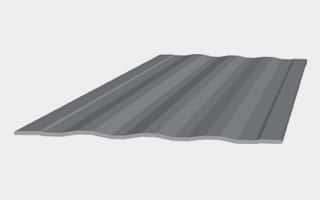
WAV™ Wall Panel Machine
The WAV Wall Panel Machine supports six profiles, providing versatility to meet various project requirements for large-scale jobs like warehouses, schools, and complexes.
Materials and dimensions:
Two 16″ profiles with 4 ribs, available with either a flange or clip, can handle 24 gauge and 22 gauge grade 50 steel or 0.032″ or 0.040″ aluminum.
Additionally, two 12″ profiles with 1 rib and two 8″ profiles with 1 rib are available for 24 gauge and 22 gauge grade steel.
It’s important to note that aluminum is not recommended for the 12″ and 8″ profiles.
These interior metal wall panels offer a wide range of styles and functionalities, making them a versatile choice for a variety of interior design projects. For information about NTM portable roof and wall panel machines or portable seamless gutter machines, contact us and speak with one of our experienced account managers.