If you’ve run NTM machines before, the basics of NTM’s new SSQ3™ MultiPro maintenance will feel familiar. The goal is the same: keep it clean, keep it lubricated, and catch small issues before they turn into downtime. However, given some of its new time-saving features, you’ll find a few differences in maintaining the SSQ3. This article combines standard NTM best practices with what’s unique to the SSQ3.
We’ve broken this article down for you and your crew to use as a practical, field-ready reference. Always refer to your machine’s manual first for procedures and safety guidelines.
Why Maintenance Matters
Extends the life of mechanical and electrical components
What Maintenance Tasks are Common to All SSQ Roof Panel Machines?
Use these intervals as a general guideline. Adjust by environment and runtime; some contractors may use their machine a few times a month, while others run it daily. When in doubt, check it weekly for maintenance.
Daily or every production day
Shear lubrication: On the SSQ™ and SSQ II™, lightly spray both faces of top blades, bottom dies, and male/female dies about every 30 cuts or when they look dry.
male/female dies about every 30 cuts or when they look dry.
Wipe-down: Remove chips, dust, and debris from exposed surfaces, guides, and work areas. Clean drive rollers only with soap, water, and a Scotch-Brite pad—never solvents.
Weekly
Visual inspection: Look for loose hardware, abnormal wear, rubbing, or anything out of place.
Chains: Check tension (snug, not tight) and condition; look for rust or dryness.
Hydraulics: Check oil level and condition; top off per manual specs.
Every 30 hours of operation
Main drive gears: Lubricate.
Every 40 hours of operation
Chains: Lubricate with dry motorcycle chain lube or equivalent.
Tip: Light applications are better than heavy, messy applications.
Yearly
Hydraulic oil and filter: Replace annually, or sooner in dusty environments or if the fluid looks contaminated. Replace the filter when the red replacement indicator pops.
General best practices
Never store material in the rollers.
Avoid long-term outdoor storage. If you must, cover with a breathable tarp to prevent condensation and rust.
Keep forming rollers clean. Follow the manual—polyurethane drive rollers should never be cleaned with harsh chemicals.
Lockout/Tagout and remove power before maintenance, adjustments, or changeovers.
What’s Different for SSQ3 Maintenance?
The SSQ3 improves machine protection, adds top cover window visibility, and provides ease of upkeep in several areas. Here’s what streamlines your routine:
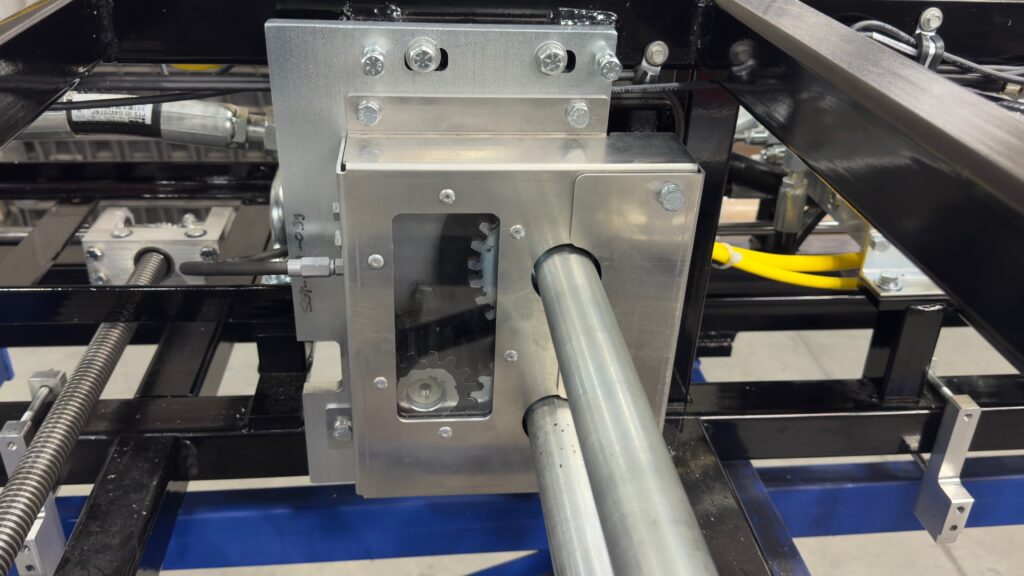
1. Main drive gear cover for safety, extra protection, and easy maintenance.
What’s new: A two-piece protective cover shields the three main drive gears from dust, chips, and overspray—and helps keep hands out for safety.
Why it matters: Cleaner gears, easier lubrication, and less debris migration.
How to use it:
Quick checks: Use the top cover windows and interior LED lights to verify there’s a visible “wet” film of grease on the gear teeth.
Deep clean: If you’ve over-greased and the cover is collecting excess, remove the cover and clean. With top covers off and the machine locked out, removing the gear cover should take ~5 minutes. It’s designed so you can remove one side and slide the other away.
External zerk fittings for quick and easy lubrication
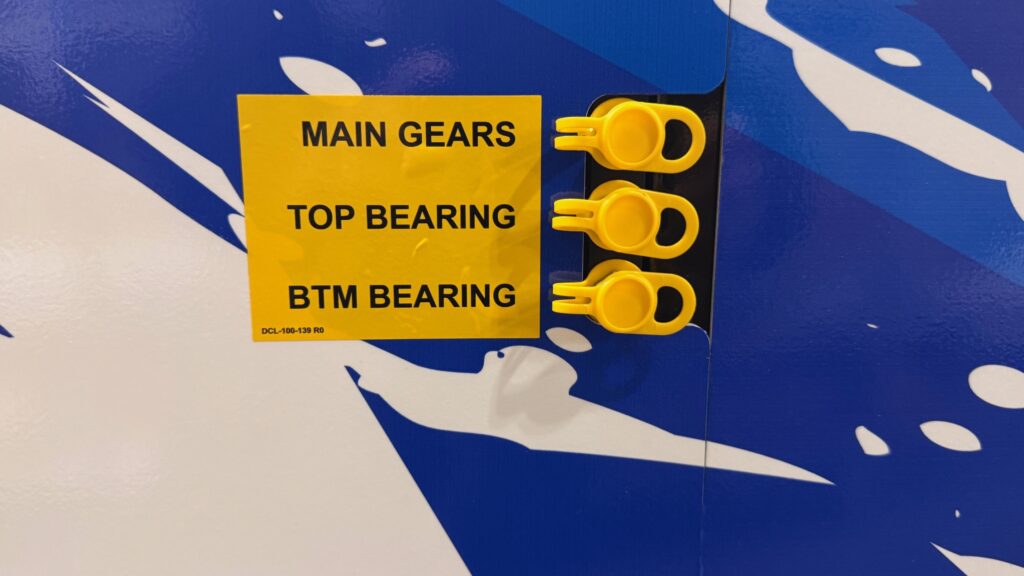
2. Easy and quick lubricating with an external grease point for the main drive gears
What’s new: A grease line easily and cleanly delivers lubricant directly to the gears, replacing the open-spray approach on earlier machines and simplifying the process, saving you time. Prevents lubricant residue from spreading to other interior components to help you keep your machine clean.
Frequency: About every 30 hours of operation is the benchmark. Practically speaking, one pump weekly is a good habit for most contractors using the machine regularly.
Amount: Start with one pump of high-pressure grease through the line per interval. More is not better—over-greasing only creates cleanup and can fill the cover.
Visual cues:
Healthy: Gear teeth appear wet/tacky with an even film.
Needs attention: Teeth look dry or hazy. Add a small amount—do not flush or wipe down the gears; just re-establish a light, even film.
3. Chain lubrication approach
Guidance update: Light applications more frequently are better than heavy, infrequent soaks. Over-lubed chains sling oil, attract grit, and make a mess.
Interval baseline: Every 40 hours of operation. In the field, that often translates to once a week under normal use. If the machine sits idle for several weeks, inspect before you lube; reapply only if the chain looks dry.
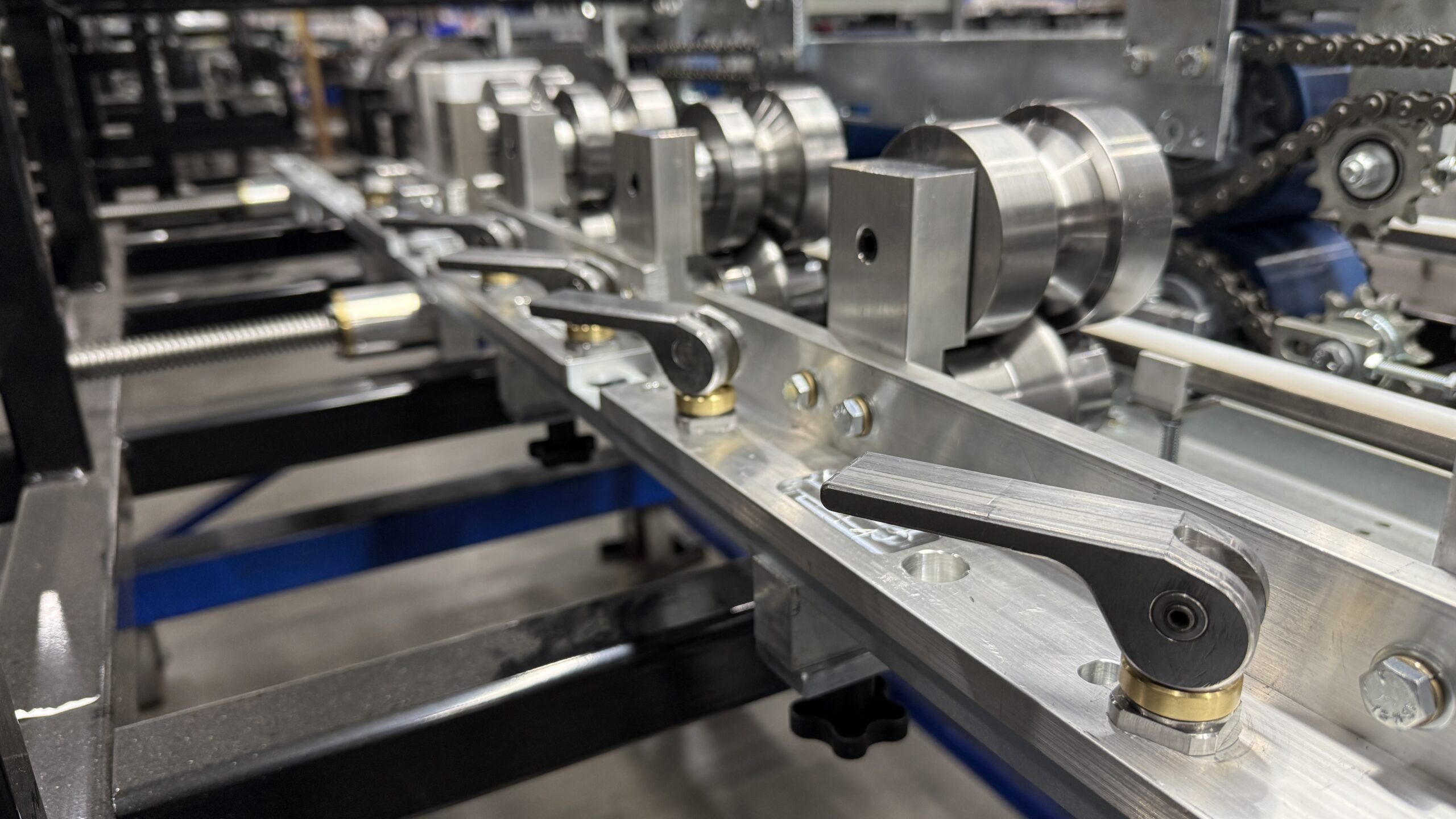
4. Quick-Change rail cleanliness
What’s new: The SSQ3 quick-change system relies on clean rails and latching surfaces to operate smoothly to save you time and simplify operations.
Do this:
Keep rails and latch areas free of chips, sealant, dirt, and buildup.
Before swapping tooling, wipe the contact surfaces. Debris that a bolt-down system might “crush through” can interfere with the SSQ3 latch action.
Symptom of neglect: Latches get stiff or require excessive force.
5. Bearings at the back end
Reminder: There are grease points for bearings that some users overlook, but need lubricating.
Action: Include these zerk fittings to simplify your routine. If the threads or bearing areas look dry, add EP grease with a grease gun until a film is present—avoid overfilling.
6. Acrylic window care
What’s new: SSQ3 uses acrylic windows in the gear cover for increased user visibility and easy diagnostics.
Cleaning: Use Windex or a mild glass cleaner and a microfiber cloth. Avoid abrasive pads and aggressive solvents. Do not pressure wash the windows.
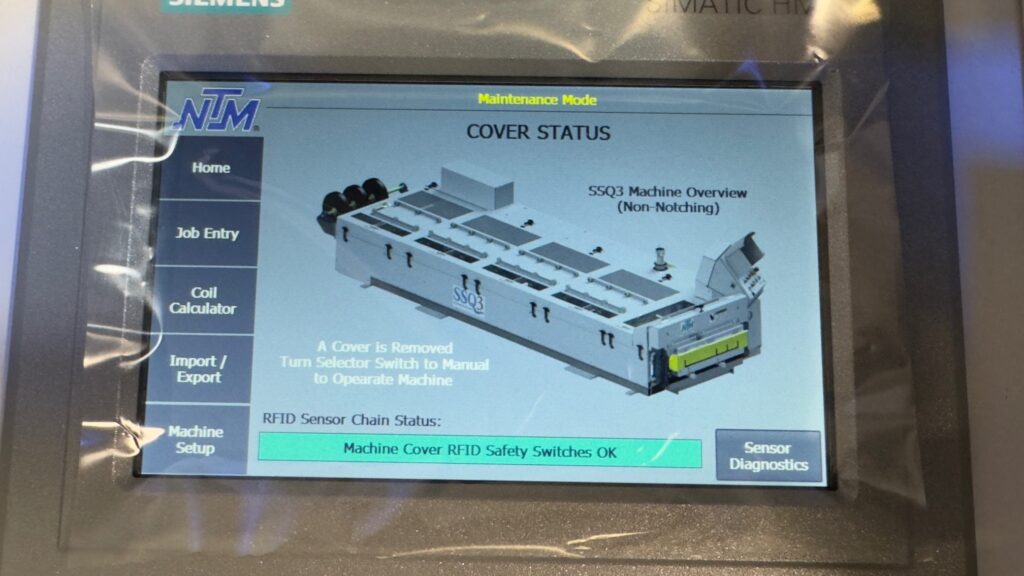
7. Controller and sensors
SSQ3 cover sensors diagnose offset covers and identify them on your controller, so you can quickly set the cover back in place and keep rolling.
SSQ Maintenance FAQs
What are the biggest maintenance differences between the SSQ3 and earlier SSQ/SSQ II models?
External grease point for main drive gears: The SSQ3 replaces open-spray lubrication with a remote grease line. This keeps lubricant contained, cuts mess, and speeds up routine greasing.
Main drive gear protective cover with windows: A two-piece gear cover shields components and adds acrylic viewing windows with internal LEDs so you can visually confirm a light, even grease film without removing guards.
Quick-Change rail care matters more: The SSQ3’s latch-based Quick-Change system depends on clean rails and latch faces to operate smoothly—debris that older bolt-down systems might tolerate can interfere with SSQ3 latching. Added/clear zerk points at the back end: Bearings at the rear have grease fittings some users forget—SSQ3 calls attention to these to simplify upkeep.
Controller cover sensors: SSQ3 cover sensors help diagnose offset covers right on the controller for faster recovery.
How should I lubricate the main drive gears on the SSQ3?
Use the external grease line: Apply one pump of high‑pressure grease about every 30 hours of runtime (weekly for most regular users). Look for a “wet/tacky” film through the windows: Do not flood the gears. More is not better; excess only pools in the cover and creates cleanup.
If you over-grease: Lockout/Tagout, remove the top covers, then remove the two-piece gear cover to wipe out excess. Reassemble and return to light applications.
Do I still need to spray-lube the shear on the SSQ3?
Yes. Shear lubrication practice remains the same: lightly spray both faces of top blades, bottom dies, and male/female dies about every 30 cuts or when surfaces look dry. If cut quality declines or edges look torn, re-lube immediately.
What’s special about the SSQ3’s gear cover and windows?
Purpose: Keeps dust, chips, and overspray out of the gears, and improves safety by discouraging hand access. Maintenance benefit: Windows and LEDs let you verify a light grease film without disassembly, reducing unnecessary cover removal and keeping the interior cleaner. Cleaning the acrylic: Use Windex or a mild glass cleaner and a microfiber cloth. Avoid abrasive pads, harsh solvents, and pressure washing.
Do SSQ/SSQ II practices still apply to the SSQ3?
Mostly yes—keep it clean, keep it lubricated, and inspect regularly. The key differences are: Use the SSQ3’s external grease line (not open spray) for the main drive gears.
Rely on the gear cover windows and LEDs to verify a light grease film.
Prioritize Quick-Change rail cleanliness to ensure smooth latching.
Don’t overlook the added/clear zerk points, especially at the rear bearings.
Practical Lubrication Tips from the Field
Main drive gears: One pump via the remote line ≈ a short, targeted spray on older models. Because the SSQ3’s system is direct and contained, err on the side of less per interval.
Chains: Dry motorcycle chain lube is preferred. Light, even coverage. Wipe excess.
Shear: If cut edges dull or look torn, re-lube immediately. Proper shear lubrication also prevents rust on blades and dies.
The new gearbox cover adds extra protection and viewing for easy maintenance
SSQ3 Quick Checklist
Before operation
Check chains for snug tension
Verify visible grease film on main drive gears through the window
Confirm shear blades/dies are lubricated
Ensure rails and latch faces are clean if you’ll be swapping tooling
Look for loose fasteners, debris, or anything unusual
End of day
Wipe chips and dust
Clean drive rollers with soap/water + Scotch-Brite if needed
Lightly lube shear if surfaces look dry
Weekly
One pump to main drive gears via grease line
Inspect and lube chains if due
Check hydraulic level and fluid condition
Hit overlooked grease points (rear bearings, arbor nuts, acme shafts and mitre gears as needed)
Yearly
Change hydraulic oil and filter; sooner in dusty conditions or if contamination is observed
Safety
Lockout/Tagout and remove power before any maintenance or changeovers
Guards stay on during operation; remove only for maintenance with power disconnected
Maintenance Interval Chart (SSQ3)
Daily or at ~30 cuts
Weekly
~30 hrs runtime
~40 hrs runtime
As needed
Yearly
Shear blades and dies: Spray lube on both faces; reapply when dry or cut quality declines
Main drive gears: 1 pump high-pressure grease via remote line; confirm film through window
Main drive gears: Lubricate (align this with your weekly routine if usage is regular)
Chains: Lubricate with dry motorcycle chain lube or equivalent; keep applications light
Drive rollers: Clean with soap, water, Scotch-Brite when marking occurs; never use solvents
Hydraulic oil and filter: Replace; earlier if dusty environment or contamination is present
End-of-day clean: Wipe down machine; remove chips and debris
Chains: Inspect tension and condition; lubricate lightly if due
Have a question about your SSQ3’s maintenance, lubrication products, or intervals? Our service team can walk you through best practices for your exact setup and environment. Contact our service department for more information.
For information about the SSQ3 MultiPro or any of our portable metal roof panel or seamless gutter machines and accessories, contact us.