How Much Does It Cost to Start a Gutter Business With a Portable Seamless Gutter Machine? (2026)
Think of buying a portable gutter machine like buying a truck. The sticker price is just the beginning. Registration, insurance, fuel, and maintenance costs are all part of the true cost of ownership.
/Rick Zand/9 min read
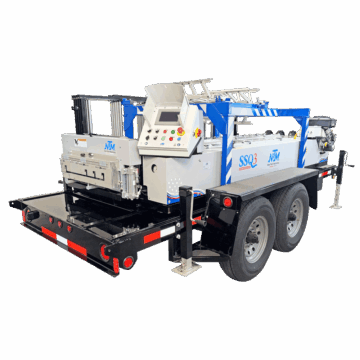
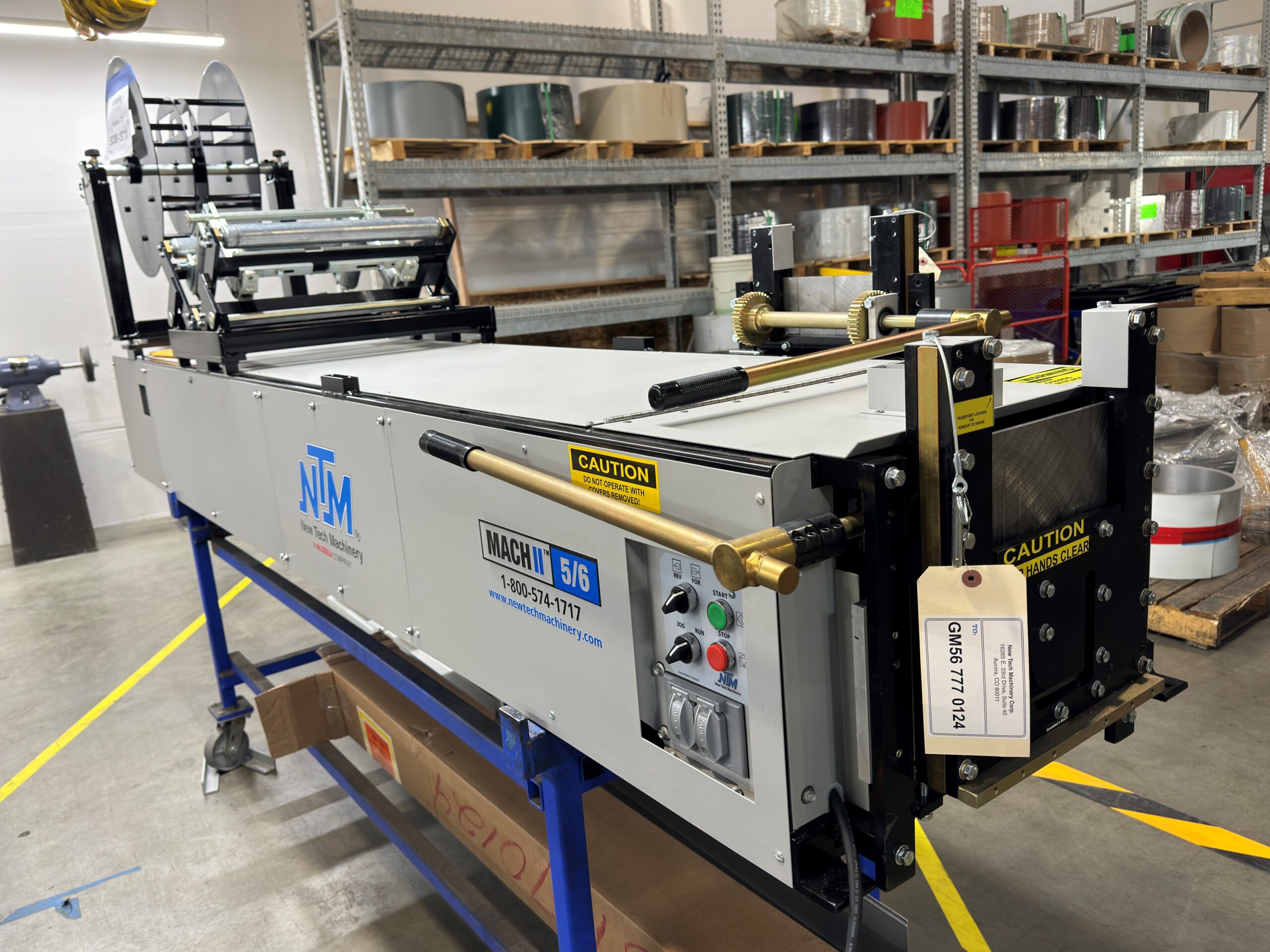
The cost to start a seamless gutter business with a portable gutter machine typically requires $15,000–$50,000+ in initial investment,depending on whether you already own a truck, how many accessories you need, and your business setup costs. The New Tech Machinery (NTM) Mach II® is priced from $9,800 to $12,300, depending on the size, but the full cost of starting your operation should include transportation, coil stock, insurance, and business overhead.
This article breaks down every major cost so you can plan your investment with confidence before you buy your first machine.
Key Takeaways
Machine cost: An NTM Mach II starts at $9,800 (5″) and up to $12,300+ for the 5″/6″ Combo.
Total startup cost: Expect to invest $20,000–$55,000+ to get fully operational — less if you already own a truck.
Biggest startup variable: A truck. If you don’t own one, that’s $30,000–$70,000+ added to your startup costs.
Biggest ongoing cost: Labor. Hiring and retaining good crew members is the #1 operational challenge gutter business owners face.
Profitability: Strong — especially in storm-prone regions, heavy snowfall areas, or active new construction markets.
First step: Talk to existing gutter business owners, join a trade organization, and use NTM’s profit calculator to model your specific market before you buy.
How Much Does a Portable Seamless Gutter Machine Cost?
New Tech Machinery’s Mach II portable seamless gutter machines are available in three models:
Machine
Starting Price
Mach II 5″
$9,800+
Mach II 6″
$10,500+
Mach II 5″/6″ Combo
$12,300+
The 5″/6″ Combo is the most popular choice for gutter businesses because it covers the two most common residential gutter sizes, giving you flexibility without needing a second machine.
To get the full cost of a gutter machine, be sure to factor in accessories like riser pads and a coil reel rack, which add to the base price. When configuring your machine, factor these in as they’re not optional for a professional operation. You can use our online configurator to build and price your machine.
Full Startup Cost Breakdown: What Does It Really Cost to Start a Gutter Business?
Think of buying a portable gutter machine like buying a truck. The sticker price is just the beginning. Registration, insurance, fuel, and maintenance costs are all part of the true cost of ownership. The same principle applies here.
Here’s a realistic startup cost range for a new gutter business:
Cost Category
Estimated Range
Notes
Portable Gutter Machine (Mach II)
$9,800 – $12,300+
Varies by size and configuration
Machine Cart & Accessories
$2,400+
Cart, profile rollers, reel rack
Truck (if not already owned)
$30,000 – $70,000+
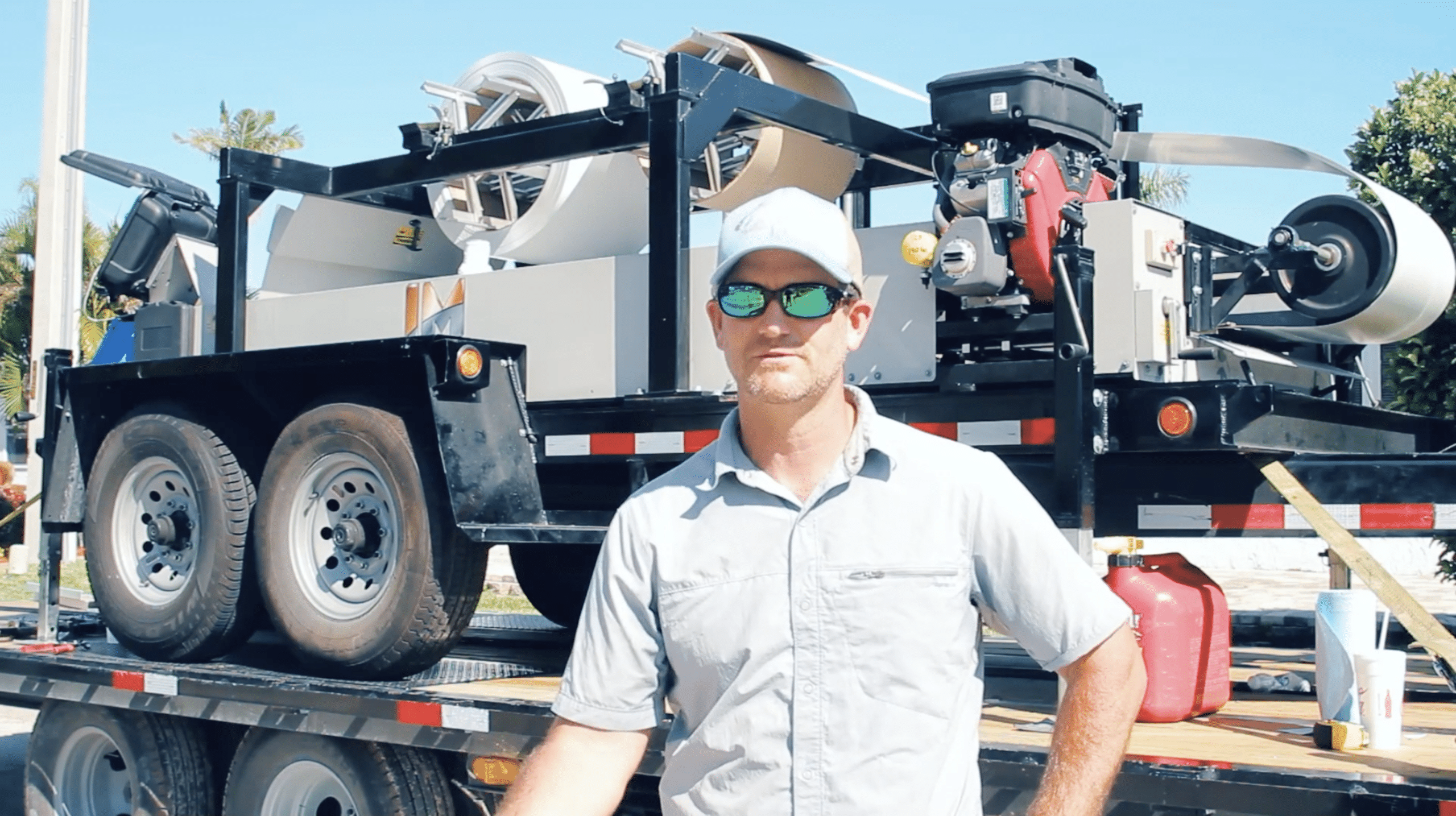
Must be capable of hauling the machine
Trailer
$3,000 – $8,000
For transporting machine and coil
Initial Coil Stock
$1,500 – $4,000
Aluminum or steel, varies by material cost
Forklift or Coil Handling Equipment
$5,000 – $20,000+
Required to load/unload coil safely
Storage Space
$500 – $2,000/mo
Climate-appropriate; ventilated in humid climates
Business Licensing & Insurance
$1,000 – $5,000/yr
Varies widely by state and coverage
Basic Website
$500 – $3,000
One-time setup; ongoing hosting ~$20–$50/mo
Initial Marketing & Signage
$500 – $2,500
Truck wrap, flyers, Google Business Profile
Estimated Total to Start
~$20,000 – $55,000+
Lower if truck is already owned
Key takeaway: If you already own a capable truck, your startup costs drops by $30,000 or more. Many new gutter business owners finance the machine and use existing equipment to get started. Buying a used truck or van to haul your equipment can save you a lot of money over buying new.
NTM offers financing options that let you manage the machine cost in monthly increments rather than all at once, which makes the startup picture more manageable for most contractors.
What Are the Ongoing Monthly Costs of Running a Gutter Business?
Startup costs are one-time. Here’s what ongoing expenses to expect once you’re operational:
Ongoing Expense
Estimated Monthly Cost
Coil stock replenishment
$500 – $3,000+ (volume dependent)
Fuel (truck + travel)
$300 – $1,000+
Machine maintenance & parts
$50 – $500 (varies)
Employee wages
$3,000 – $10,000+ per employee
Insurance (monthly portion)
$100 – $500
Storage/shop rent
$500 – $2,000
Marketing & advertising
$200 – $1,000
Software (scheduling, accounting)
$50 – $200
The biggest ongoing cost for most gutter businesses is labor. Hiring, training, and retaining good installation crews is one of the most common challenges owners face, and one of the most important investments you can make.
NTM offers free training to all new machine owners at our facility in Aurora, Colorado. We can also train at your location for a fee. We recommend involving all of your employees in any training.
What Business Expenses Should I Expect Beyond the Machine?
You should expect startup costs plus ongoing expenses for a portable gutter machine operation. Owning a portable rollformer means you’re not just a gutter installer, but you’re also running a business. That requires more than technical skill.
Here’s what most new owners don’t plan for:
Office setup: Computer, printer, scheduling software, accounting software (e.g., QuickBooks), phone system. Budget $2,000–$5,000 upfront if starting from scratch. These days, with AI, there’s a lot of accounting and inventory management you can do without having to buy expensive software.
Compliance: Business registration, contractor licenses, liability insurance, workers’ comp. Requirements vary by state, so check with your local licensing board.
Machine downtime: If your machine breaks, you’re not billing. Keep a small reserve for emergency repairs or parts unless your machine is under warranty.
Employee turnover: Finding reliable crew members takes time and costs money in training and lost productivity. Plan for it.
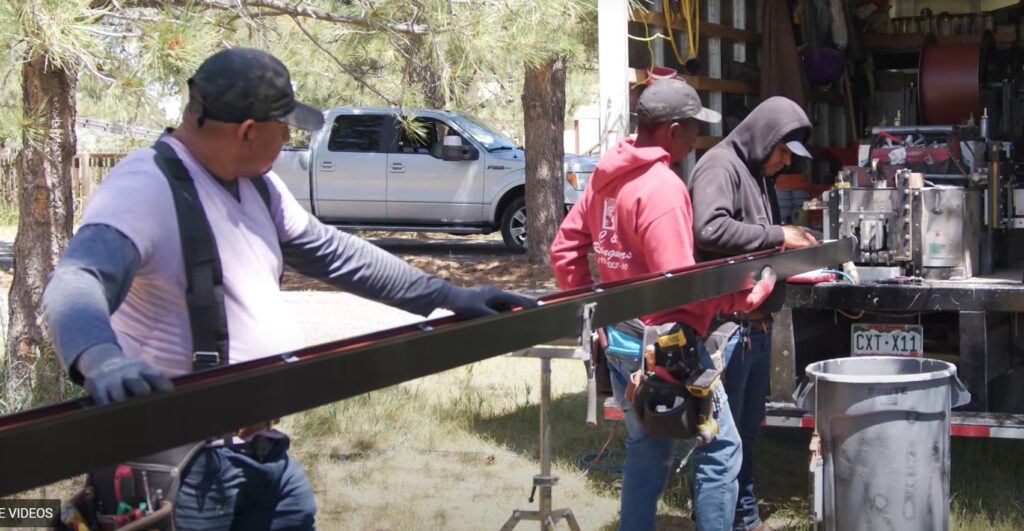
Abel Cisneros, owner of C&S Raingutters in Greeley, Colorado, started with a single Mach II and now owns three machines. He credits his long-term success partly to how he manages employees paying for commute time, accommodating their limitations, and finding the right seat on the bus for each person. Several of his employees have been with him for over a decade. That kind of retention reduces the hidden costs of turnover dramatically.
How Do I Market a New Seamless Gutter Business?
You don’t need a large marketing budget to get your first customers, but you do need a presence. Here’s where to start:
1. Get a Website (Non-Negotiable)
A basic website is table stakes in 2026. It doesn’t need to be fancy, but it should include:
Your service area
The types of gutters you install
A phone number and contact form
Before/after photos of completed jobs
Platforms like Squarespace or WordPress make this approachable even without technical skills. Alternatively, hire a local web designer for a one-time cost of $500–$2,500.
2. Claim Your Google Business Profile (Free)
This is the single highest-ROI marketing move for a local service business. A fully completed Google Business Profile with photos and reviews puts you in front of local customers actively searching for gutter installation.
3. Use Social Media to Build Credibility
Facebook and Instagram work well for gutter businesses. Post job photos, before/afters, and video shorts of the machine running on-site and the projects showing the completed job. Join Facebook gutter installer and contractor groups to get your name visible.
4. Leverage Old-School Local Marketing
Flyers, door hangers, yard signs at job sites, and ads in local weekly newspapers still drive business — especially in smaller markets. Word of mouth from satisfied customers is still the most powerful referral source in this industry.
How Do I Start a Gutter Business With No Prior Experience?
You don’t need to have all the answers before you start. But you should go in informed. Here’s how to build your foundation:
Talk to other gutter business owners. Ask them:
What do you wish someone had told you when you started?
What are your biggest operational challenges?
What would you do differently?
Most owners are willing to share — especially if you’re not in their direct market area.
Join a local roofing or gutter trade organization. Industry associations provide access to training, networking, and resources that can accelerate your learning curve.
Be honest about your time commitment. Starting a gutter business is rarely a 40-hour-per-week job in the early years. Many owners describe working 60–80 hours per week in their first year — some kept a cot in the shop. Know what you’re signing up for.
Use NTM’s resources. New Tech Machinery offers training, a Learning Center, and direct access to account managers who can help you choose the right machine configuration for your market and goals.
Is a Portable Gutter Business Profitable?
Yes. With the right setup and market, a portable gutter business has strong profit potential, 30% more ROI than if you’re purchasing prefabricated gutters.
Key advantages include:
No middleman: You fabricate seamless gutters on-site from coil stock, which is significantly cheaper than ordering pre-made gutter sections.
Custom fit: On-site fabrication means gutters run the exact length needed with fewer seams, fewer leaks, and higher-quality systems.
Market demand: Gutters are a recurring need, especially in storm-prone regions, areas with heavy snowfall, and markets with active new construction.
Scalability: Abel started with one Mach II. He now runs three and focuses exclusively on high-end custom homes, charging premium rates because his quality and service justify it.
FAQs
How much does it cost to start a seamless gutter business?
Most new gutter businesses require $20,000–$55,000+ to get started, depending on whether you already own a truck. The machine itself starts at $9,800 for the Mach II 5″ to $12,300 for the Mach II 5″/6″ Combo.
What size gutter machine should I buy first — 5″ or 6″?
It depends on your market. In most residential markets, 5″ K-style gutters are most common. However, the 5″/6″ Combo Mach II gives you flexibility to serve both sizes without buying two machines, making it the most popular choice for new businesses.
Do I need a license to install gutters?
Licensing requirements vary by state and municipality. Some areas require a general contractor’s license; others have no specific gutter installer license requirement. Check with your state’s contractor licensing board before starting operations.
How long does it take to pay off a portable gutter machine?
This varies by job volume and pricing, but many contractors report recovering their machine cost within the first year of operation. Use NTM’s profit calculator to run your specific numbers.
What’s the difference between a portable gutter machine and factory-made gutters
A portable machine lets you fabricate custom seamless gutters on-site from coil stock. Factory gutters come in standard lengths with seams. Seamless gutters have fewer leak points, look cleaner, and allow you to control quality and cost — giving you a competitive advantage over contractors using pre-made sections.
Can I finance a portable gutter machine?
Yes. NTM offers financing options that let you spread the cost of the machine over time. See how to finance an NTM machine for details.
What is the best portable gutter machine for a new business?
New Tech Machinery’s Mach II is the original polyurethane drive portable gutter machine and has been the industry standard for over 30 years. It’s available in 5″, 6″, and 5″/6″ combo configurations.
Bottom Line
Running a gutter business with a portable gutter machine will save you money on buying from a supplier. You’ll increase ROI over purchasing prefabricated gutters and you’ll manage production from top to bottom. The tradeoff is that it takes a larger initial investment.
That said, most contractors pay for their gutter machine in a few months, if not weeks. Once that initial investment is paid off, you’re just covering the ongoing costs of materials, labor, and transportation. Everything else is ROI. You’re not splitting your profits with a distributor or manufacturer.