Is the Metal Roofing and Siding Market Here to Stay?
Weather changes with more severe storms and hurricanes along with rashes of wildfires demand the solutions that metal provides. Its resistance to wind, hail, and class A fire rating and cool-roof performance makes it desirable not only for homeowners, but for insurance companies that have started to drop customers in high-risk areas.
/Rick Zand/5 min read
With uncertainty in the market and tariffs on metal, many contractors are concerned about how much consumers are willing to pay for metal roofing and siding. After all, traditional materials like asphalt are less expensive, and though metal can last decades longer, many homeowners won’t outlive their roofs.
But if you look at the facts, they point to steady growth for the metal roofing market.
Facts About the Metal Industry That Should Reassure Everyone:
The U.S. metal roofing market is expected to increase by .7% annually through 2026.
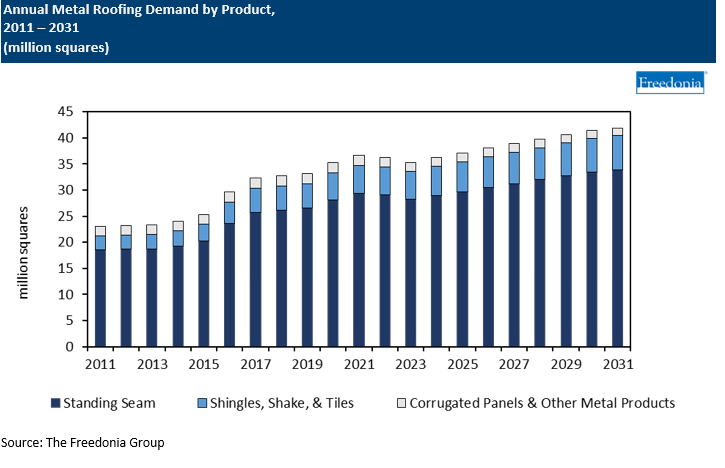
Demand is shifting towards premium styles of metal. Standing seam and metal shingles are seeing the fastest growth.
Weather changes bringing more severe storms and hurricanes along with rashes of wildfires demand the solutions that metal provides. Metal roofs are resistant to wind and hail, and with a Class-A fire rating and cool-roof performance, they’re desirable not only for homeowners, but for insurance companies with customers in high-risk regions.
While agencies likely won’t cover a home with wood shingles in a fire-prone area, metal can gain traction in LEED credits and secure insurance coverage or reduced rates, making it appealing to everyone involved.
FMI research forecasts that metal roofing is anticipated to reach over 4.8 billion square feet in 2028 based on historical and forecasted shipments (square footage). These forecasts also point to a 19% increase in growth for residential metal roofing from 2024 to 2028. For residential metal roofing, re-roofing/replacement will continue to drive the majority of the market.
For consumers, the benefits of metal can outweigh the cost over cheaper materials:
Benefits of Metal Roofing
Longevity & Durability Lifespans of 40–70+ years, with many warranties reflecting that. Extensive resistance to fire, rot, mildew, pests, wind, hail, and UV.
Energy Efficiency Reflective coatings can cut summertime cooling energy costs by 20–40%, and usage reduces both heating and peak demand .
Minimal Maintenance & Lightweight No regular re-coating, lightweight structure, requires minimal upkeep—just routine inspections and debris clearance.
Strong Resilience In severe weather zones—especially high wind or hail areas—standing seam designs are preferred for uplift prevention.
According to the International Industry Research Company, The Freedonia Group:
Metal roofing is one of the few major roofing materials that will increase in demand during the forecast period, supported by:
Continuing interest in the use of metal roofing as a weather-resistant alternative to such products as asphalt shingles and roofing membranes
Homeowner interest in installing metal roofing to create a more unique exterior appearance
Rising installations of prefabricated metal buildings in commercial construction applications
The perception of metal roofing products as environmentally friendly materials:
Metal roofing can serve as a cool roofing material that reduces a building’s energy consumption and lowers utility bills.
Metal has a long product lifespan and can be recycled after its useful lifespan, diverting waste materials from landfills.
Why Consumers & Contractors Choose Metal
ROI: Despite the higher cost per square foot for metal vs. asphalt, the investment pays off over time through reduced insurance rates, energy savings, and increased property value. Plus, all of the environmental benefits of a 100% recyclable product.
Design: No more is a metal roof just the corrugated tin of an old henhouse. Designs and colors of metal are experiencing a revolution; with bold colors, wood grains, patina, rust, and custom designs, there’s no limit to how a metal roof can look. Can’t get that with asphalt.
Ideal in any climate: Especially in severe weather and wildfire areas, but also regions with heavy snow or humid regions that experience rot and mold.
Styles, Colors & Design Flexibility
Color Palettes From classic reds and greens (particularly on farm-style or wooded homes) to sleek blacks, grays, and bold colors and styles for modern design. Light shades are especially popular in warm climates.
Surface Finishes Options range from smooth standing-seam panels to patterns and finishes that mimic slate, wood, and copper.
Metal Types Choices include galvanized/galvalume steel, aluminum, zinc, and copper—each offering distinct aesthetics.
Architectural Integration Coordinated visuals: using matched metal siding, gutters, flashing, and trim creates cohesive exterior schemes .
Not Everyone’s Your Customer—and That’s Okay!
As we said at the intro, a lot of folks can’t afford metal. That has always been the case and will continue to be for the foreseeable future. That doesn’t mean the market isn’t growing. In fact, it’s also gaining ground in the commercial sector. As a contractor, you need to stake out your niche demographic so that you’re not wasting time talking to people who aren’t going to buy your product.
Looking ahead: It just keeps getting better with smart coatings, solar on metal integration, snow guards, designs, and more! Metal roofing and siding is ever-evolving, whereas asphalt is still—just asphalt.
Smart technology and automation will influence the future of metal roofing and siding installations; integrating smart technology and automation is expected to enhance the installation process. Features like real-time data monitoring, energy-efficient coatings, and sensors that track the roof’s condition will become more common. This technology will give homeowners valuable insights and help maintain their roofs more effectively. Additionally, the ability to visualize the product on their building or home and receive quick quotes online will streamline the purchasing process.
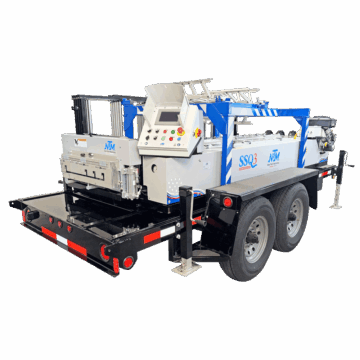
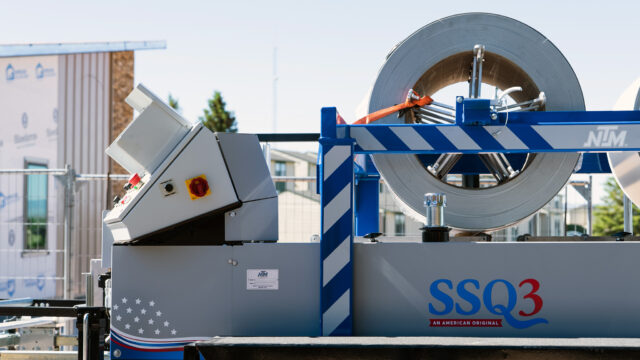
So, if you’re concerned about economic uncertainty, much of the story of metal roofing and siding has yet to be told as new technologies evolve. To that end, New Tech Machinery is introducing new products and machine features based on customer feedback. While the market increases, NTM is ready to meet the challenge with more innovations on the horizon in 2025.
Contact us to speak to an account manager about our portable rollforming machines, accessories, training, and more.