How Much Does it Cost to Invest in a Portable Rollformer?
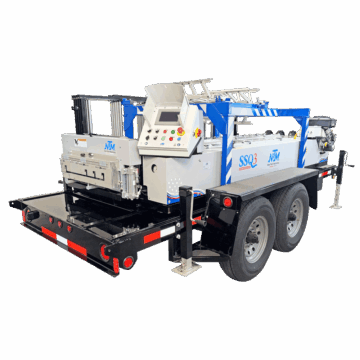
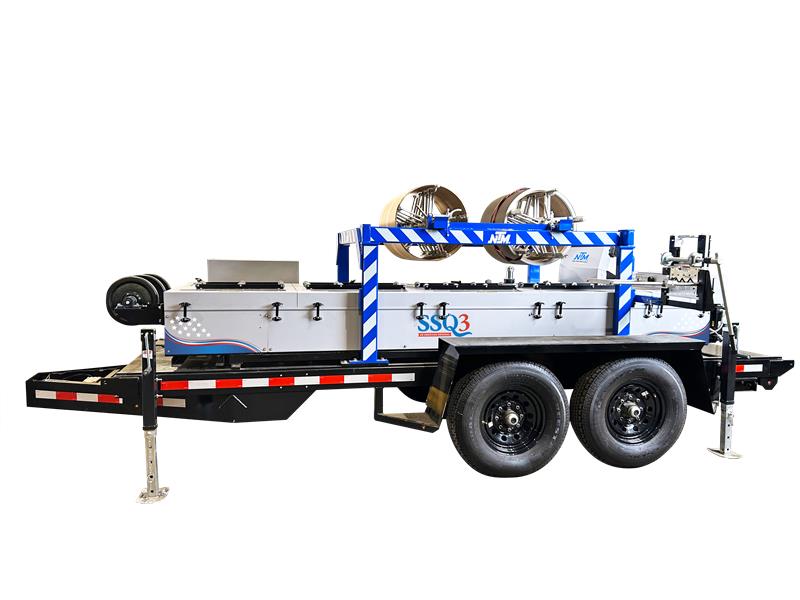
Anywhere from a few thousand to over a hundred thousand dollars. You can look at a machine, like our starter standing seam panel machine, the SSR™ MultiPro Jr., and think, $43,400 isn’t a lot to invest. Maybe you paid more than that for your car or truck.
But, you have to factor in the following:
Accessories—You’ll need reels, cradles, runout stands, maybe a computer controller.
A truck—You’ll need to tow your portable rollformer. Make sure that it has the capacity to carry the weight of your truck on the trailer. NTM keeps all that information in the machine specs on our website.
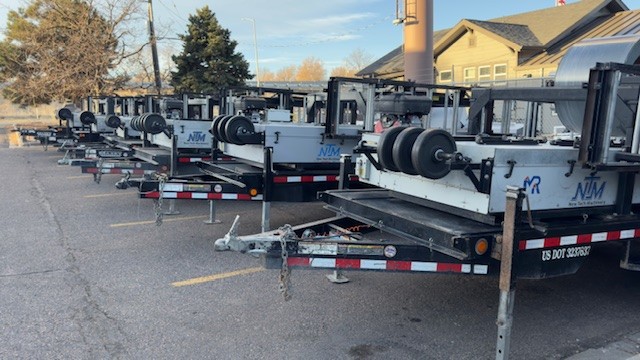
Trailer—If you want to take advantage of the “portable” aspect, you’ll need something to tow it on. NTM trailers are built specifically for our machines, so if you purchase one of your own, make sure it’s compatible. Or, if it’s a portable gutter machine, like a Mach II Seamless Gutter machine, you can get a van large enough to accommodate it.
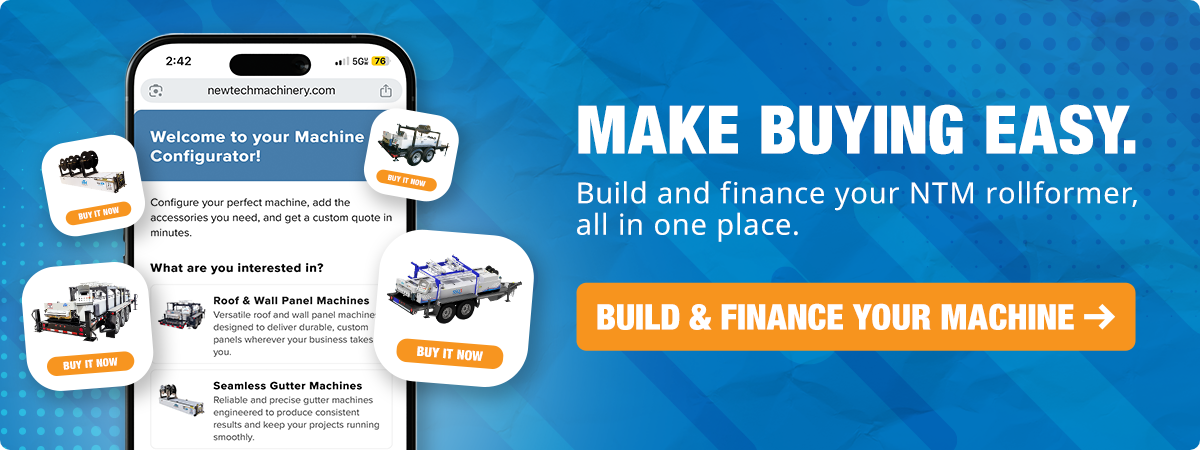
The best way to calculate the costs if you’re financing a machine is to use a tool like our financing configurator. You can build the machine and, as you add accessories, see the estimated monthly payment in real time. You can even apply for financing on the same site, making it an easy process. But only once you’re sure portable rollforming is right for your operation.
What Equipment Do I Need with My Portable Rollformer?
Start with a shop. You’ll need enough space for machinery, coil, a forklift, storage, and some office space. Also, you’ll need three-phase power to run your equipment.
In your shop, include:
A folder—A sheet-metal folding machine (or brake) forms hems for your profiles.
A shear—A hydraulic shear will produce accurate cuts and custom trims. Automation makes them easy to use.
A forklift—You’ll need to lift, move, and load metal coils.
Materials—You’ll want to have inventory on hand for what’s popular in your area. Plan to grow your stock coil over time.
Some contractors recommend buying your folder and shear before you purchase a portable rollformer.
How Many Jobs Do I Need to Justify Purchasing a Portable Rollformer?
The amount of workflow is a big factor in deciding whether to purchase a portable rollformer. If you’re doing three or four residential roofing jobs a year, it’s probably not worth your while.
But it also depends on your goals.
Are you building a business and feel sure that you can win bids if you have a machine ready to take to the jobsite? Then it might be worth the investment.
But if you don’t intend to use it much, it’s not going to make money sitting idle in your shop. Maybe you could do chop-and-drops. Have a plan.
How Many Workers Does it Take to Run a Portable Rollformer?
One worker can run your portable rollforming machine, and we’ve seen it done. However, if you’re stacking panels while running them, you might want to have an extra set of hands to help out.
You can use a worker you already have installing panels. What you need is someone mechanically inclined. Make sure he gets properly trained on portable rollformers.
How Do I Get Training on a Portable Rollformer?
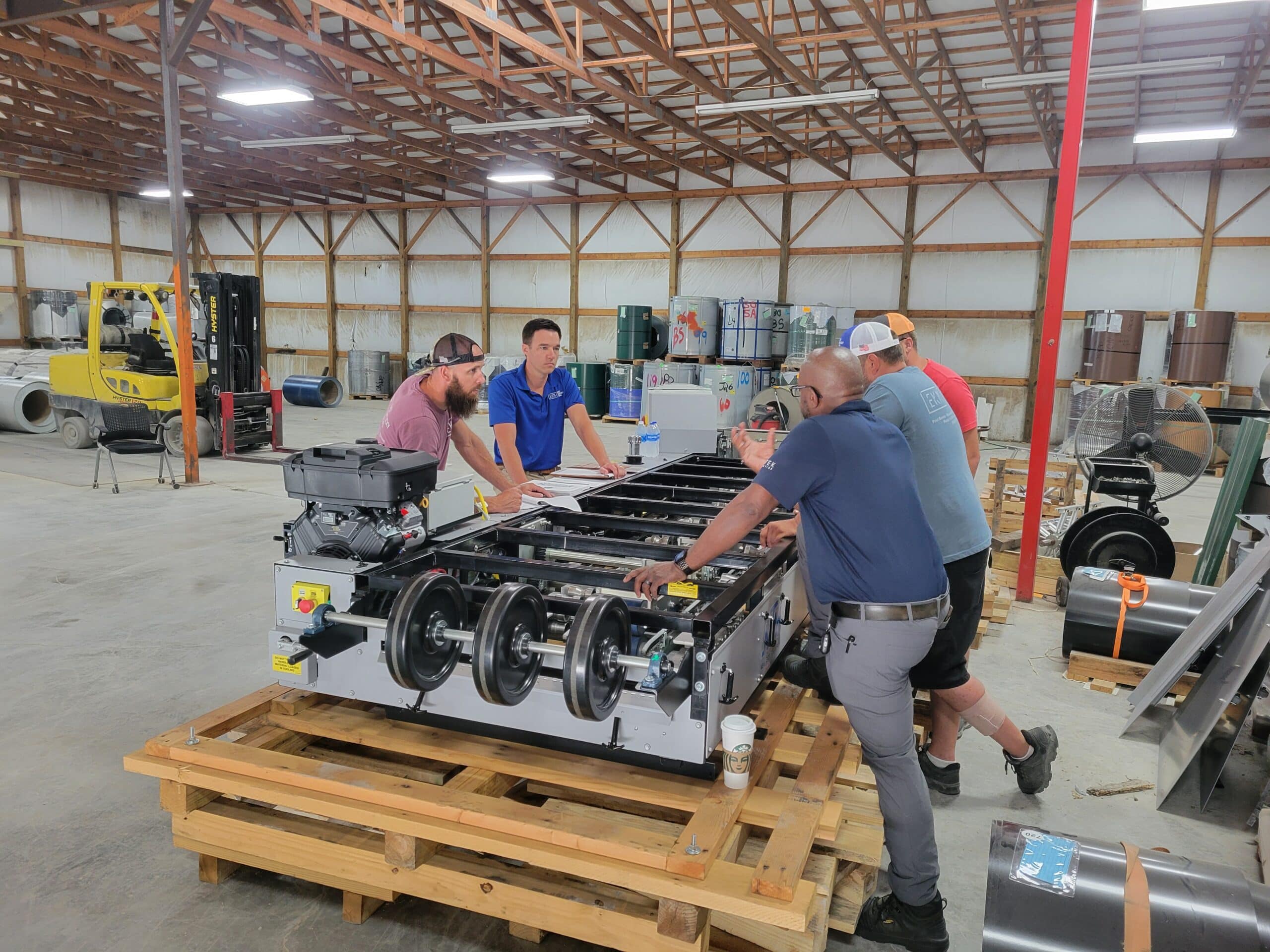
At NTM, we offer free training to all new machine owners and their crews at our plant in Aurora, Colorado. For a nominal fee that covers transportation and expenses, we can schedule a time for one of our trainers to come to your location. Either way, it’s worth the time and money, as it will help ensure your operators can troubleshoot, maintain the machine, make proper adjustments, and keep your operation running smoothly.
On a sidenote, taking the shortcut of the owner going to training and then returning to train their crew is usually a mistake. Our trainers have years of experience and know all the ins and outs of our machines and can answer any of your questions. Unless you’re an experienced trainer, you’re going to leave things out that could lead to problems later.
What Does it Take to Maintain My Portable Rollformer?
Machine maintenance includes lubricating shears, cleaning rollers, etc. It shouldn’t be more than the cost of some mild cleansers and dish rags, but if you must replace parts, unless it’s a manufacturing issue and it’s covered under warranty, be prepared to shell out some cash.
A properly maintained NTM machine can last decades. We had our first portable gutter machine return to our shop after 30 years out in the field, and it still ran a perfect gutter. It’s now retired in the lobby of our service department.
Like any equipment, if you take care of it, it will take care of you.
Quik FAQs
How much does it really cost to invest in a portable rollformer?
Costs can range from “a few thousand” to “over a hundred thousand” dollars depending on the machine and setup. Beyond the base price, the article highlights additional costs like accessories (reels, cradles, runout stands, controllers), plus the vehicle and transport needs (a properly rated truck and a compatible trailer—or a van for some gutter machine setups).
What other equipment do I need besides the rollformer?
You’ll need a functional shop setup, including adequate space (for machinery, coil storage, forklift, and office), and three-phase power. Common companion equipment includes a folder/brake (for hems), a hydraulic shear (for accurate cuts and custom trims), and a forklift (to move/load coils).
How many jobs do I need to justify buying a portable rollformer?
It depends on your workflow and goals. If you’re only doing three or four residential roofing jobs per year, ownership likely won’t pencil out. If you’re building a business and confident the machine helps you win more bids, it may be worth it—but the machine won’t earn money sitting idle, so you need a plan (including options like chop-and-drops) and should compare ROI versus buying factory panels.
How many workers does it take to run a portable rollformer on a jobsite?
One person can run the machine. That said, if you’re also stacking panels as they come off the machine, an extra set of hands can help. The key is having someone mechanically inclined and properly trained to operate and adjust the equipment.
What causes buyers’ remorse after purchasing a portable rollformer?
Here are several common reasons: not getting trained (so the machine sits unused), not having enough jobs lined up, not buying the supporting equipment/shop setup (including forklift and coil storage space), and underestimating the operational change (ordering coil, loading, transporting, and running the machine vs. simply having panels delivered). In short: regret usually comes from not thinking through the financial/logistical commitment and not fully committing to the operational shift.
Will I Regret Purchasing a Portable Rollformer?
Yes, you could end up regretting buying a portable panel or gutter machine.
Here’s why:
You didn’t train. You don’t have anyone who really knows how to use it, so it sits in your shop gathering dust.
You don’t have the jobs. The machine isn’t going to get on the phones and market itself. You’ll need to secure the bids and show that you’re ready to tackle the metal panel or seamless gutter market with your portable rollformer.
You didn’t get all the equipment. You need the shop with all of your equipment, plus a forklift. And space to store coil.
It was exciting for a minute, but it’s too much change. Change can be painful for your crew when they’re used to having panels delivered. It means learning to run the machine, order coil, load it, transport it, etc. Some operations prefer the path of least resistance if they’ve been buying panels for years.
Buyers’ remorse can happen if you haven’t thought through all the financial and logistical angles and, if you’re new to forming your own panels or seamless gutters, haven’t fully committed to modifying your operation.
If you’re ready to find out more about portable rollforming, contact us and one of our expert account managers can answer all your questions.