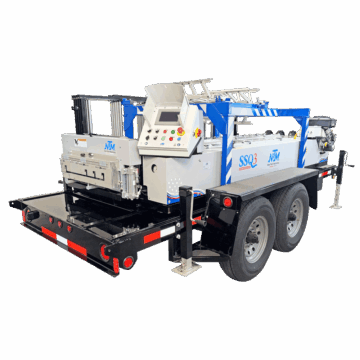
5 Reasons Not to Wait to Buy a Portable Rollformer
/Rick Zand/9 min read
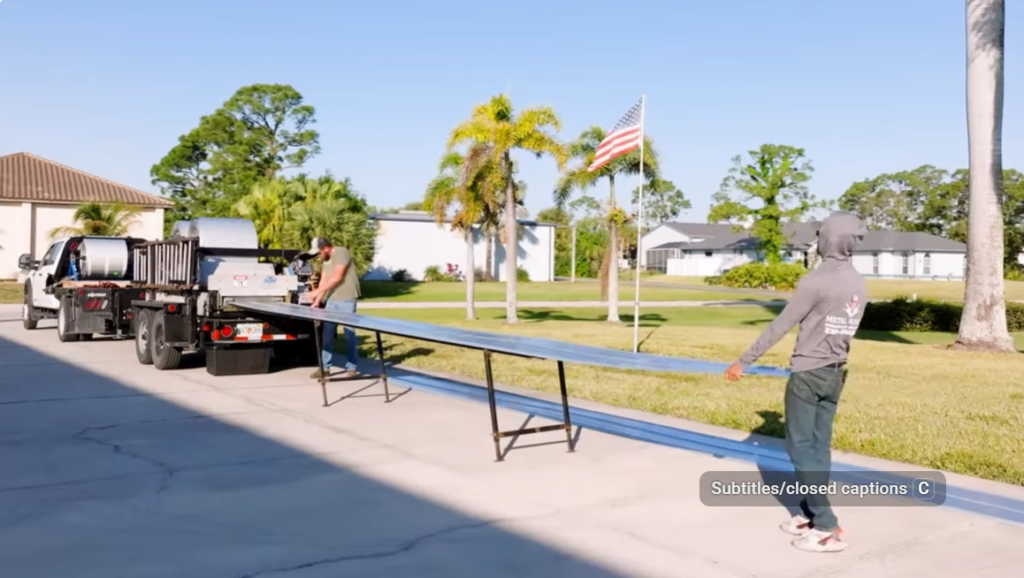
Rising material costs, supplier delays, and shrinking margins are squeezing roofing contractors right now. A portable rollformer puts you back in control — you cut out the middleman, fabricate panels on-site, save up to 30% on material costs, up to 75% on lead times, and can even manufacture for other contractors to create a second revenue stream.
Add in the Section 179 tax deduction (up to $2,560,000 in 2026), and the machine can essentially start paying for itself on the first job.
Prices on rollformers aren’t going down. Here’s why now is the time to buy.
For sake of transparency, New Tech Machinery (NTM) is the top manufacturer of portable rollformers. In fact, it’s all we’ve done for over thirty years. So yeah, we have a stake in this.
But here’s the rub — we also know this industry better than almost anyone. While our customers are out running panels and installing standing seam roofs and seamless gutters, we’re laser-focused on rollforming technology, metal coil markets, and industry trends. That gives us a perspective most contractors don’t have time to develop.
Why it Matters to You
For contractors, it comes down to three things: Maximizing productivity, avoiding delays, and increasing ROI. And recently, they’ve all become harder to manage. We get that.
Metal prices have been trending upward for a while with no signs of slowing. Gas prices are up. Given the price of deisel, we’re spending more wherever we go. Across the board, it costs more to run a roofing business today than it did just a few months ago. That’s not opinion — that’s fact.
Here’s a question: Have you adjusted your prices to account for all of it? Most contractors haven’t — not fully. And even if you did adjust 100% today, inflation keeps moving, so that adjustment might only cover 80% of the difference next week.
The reality is, you’re going to absorb some of that cost. You have to, to stay competitive and keep winning jobs. That’s exactly where a portable rollformer changes the equation.
Here are five reasons it will benefit you not to hold off on buying a portable rollformer. Let’s get into it.
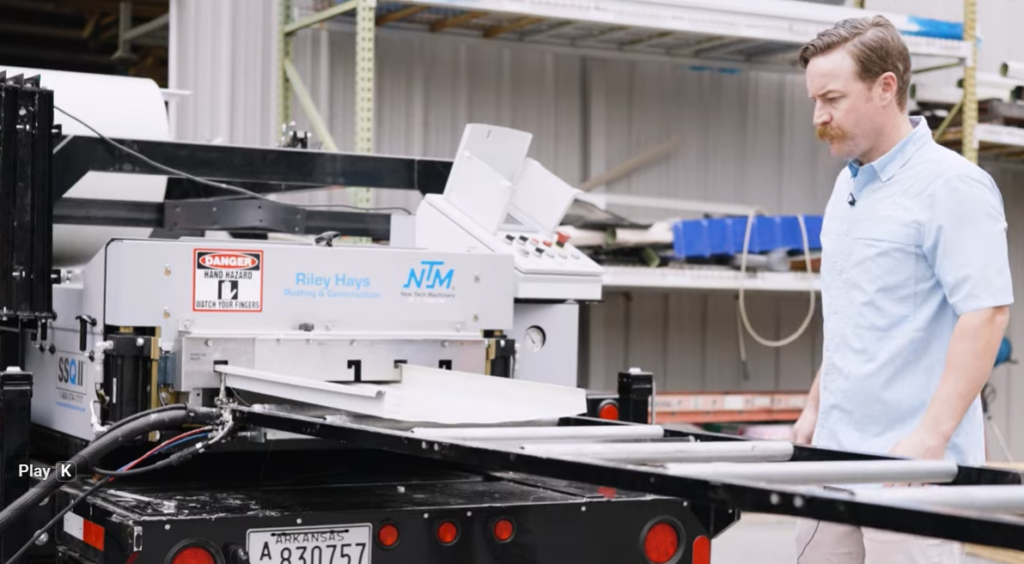
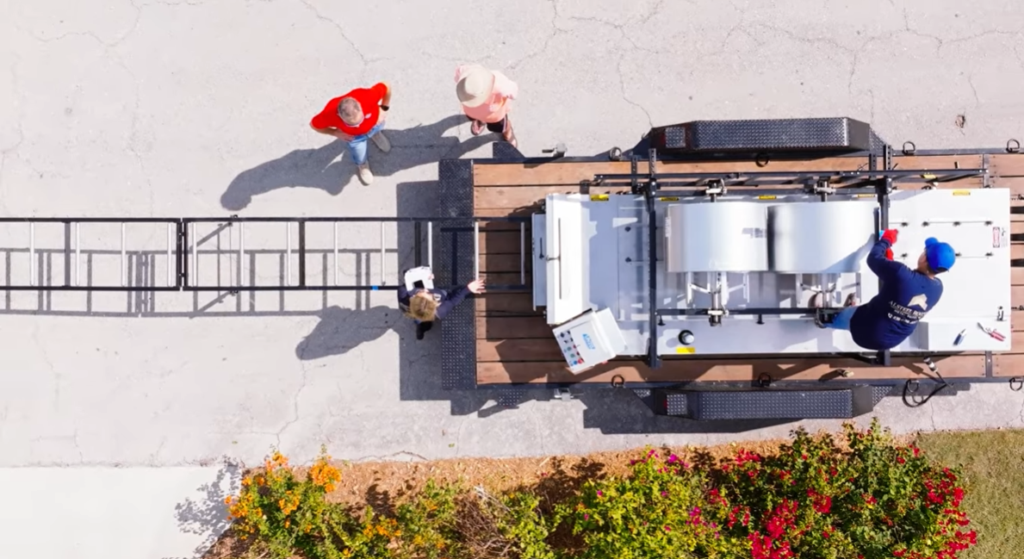
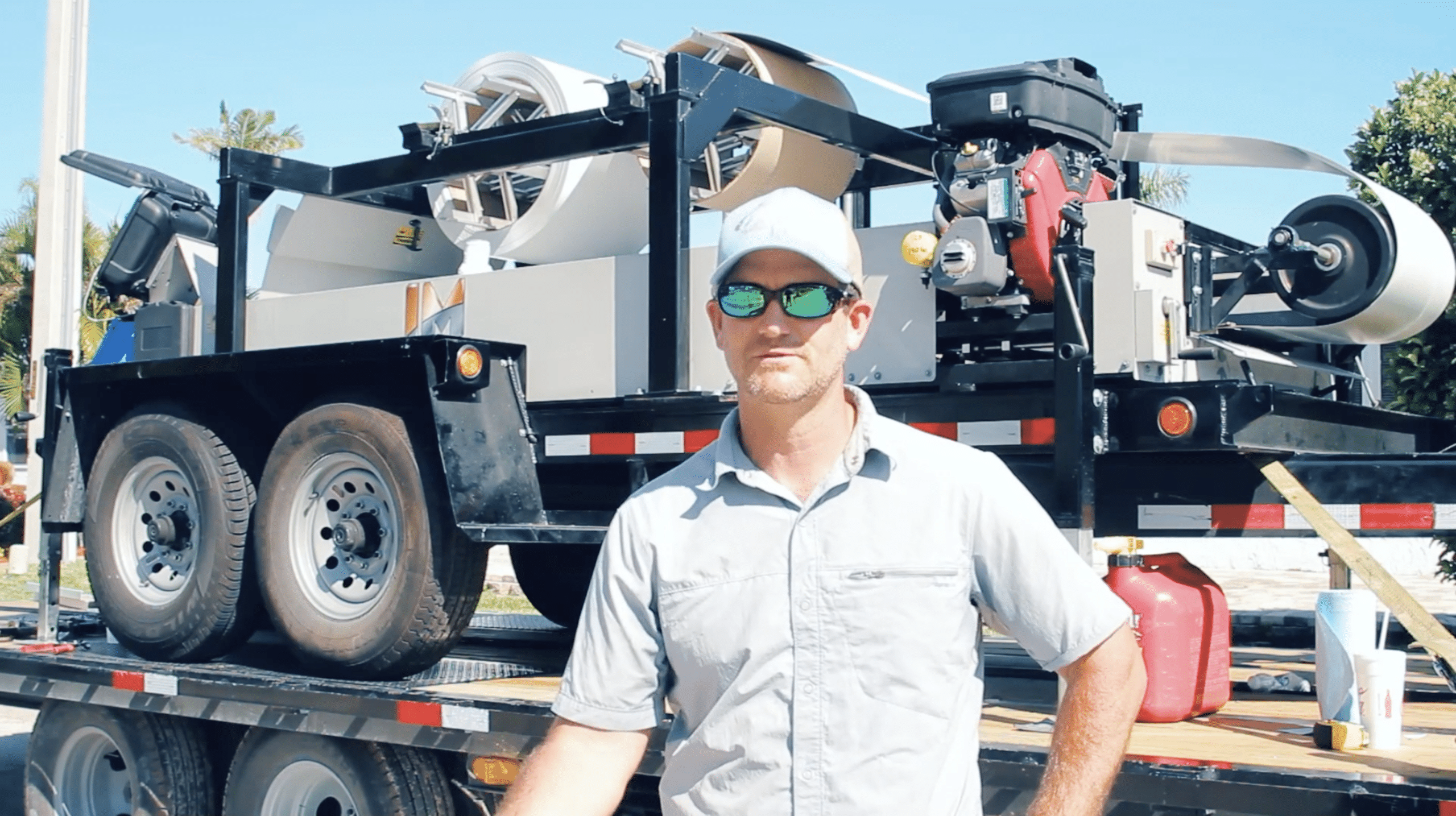
“With New Tech Machinery, we can produce way faster and way more efficiently with less cost than anyone else in our area.” Riley Hays
Reason 1: A Portable Rollformer Will Increase Your ROI — Starting on Job One
If you’re still buying panels or gutters from a manufacturer, you’re leaving money on the table. Contractors who fabricate their own panels consistently report savings of up to 30% compared to purchasing from suppliers.
That gap gets even wider as inflation drives supplier prices higher. And here’s the dangerous cycle: you raise your prices to cover the losses, costs keep climbing, and eventually you’re priced out of jobs by a competitor who can absorb more of the hit.
A portable rollformer breaks that cycle. Instead of surrendering profit to rising panel costs, you manufacture your own — and protect your bottom line instead of sacrificing it to a volatile economy.
The ROI doesn’t take long to materialize. Many contractors recoup a significant portion of their investment within the first few jobs.
Section 179 lets businesses deduct the full purchase price of qualifying equipment in the tax year it’s placed in service — instead of depreciating it over several years.
Reason 2: Create a Second Revenue Stream by Manufacturing for Other Contractors
Here’s an angle a lot of contractors don’t think about: you can sell panels to other contractors.
Big panel manufacturers come with long lead times, per-panel charges, and steep shipping costs that are only increasing. You can undercut all of that by supplying panels locally — faster turnaround, lower cost, no freight surprises.
Got a gap between jobs? Run panels for someone else’s project. It’s extra income with equipment you already own. You’re still running your own installation panels, but now you’ve opened up a second revenue stream that didn’t exist before.
Why wait to start making money two ways with one machine?
Reason 3: Use Section 179 to Write Off Your Portable Rollformer This Year
Buying a portable rollformer is a real capital investment — but the IRS gives you a powerful way to offset that cost in the same year you buy it: Section 179 of the tax code.
What Is Section 179?
Section 179 lets businesses deduct the full purchase price of qualifying equipment in the tax year it’s placed in service — instead of depreciating it over several years. For 2026, the deduction limit is $2,560,000, with a phase-out threshold starting at $4,090,000. (Section179.org)
For most roofing contractors, that ceiling is nowhere close to being an issue.
Does a Portable Rollformer Qualify?
Yes. A portable rollforming machine is tangible business property under Section 179 — whether you’re rolling standing seam panels, metal siding, or seamless gutters. The IRS treats it like any other piece of business equipment.
Based on 25% and 30% effective tax rates. Actual savings will vary — consult a CPA for personalized guidance.
In other words, the government is effectively subsidizing a quarter or more of your machine — depending on your tax rate.
What Else Should Contractors Know?
Improve cash flow in the year of purchase
Reduce your tax bill immediately, freeing up capital for other investments
Lower the true net cost of the machine, making the ROI case even stronger
Stack with 100% bonus depreciation — restored in 2025 under the One Big Beautiful Bill Act — for additional write-offs on any remaining balance
Don’t Miss the Deadline
The equipment must be purchased and placed in service by December 31st of the tax year to qualify. If you’re planning to use this deduction for 2026, factor in lead times for delivery and setup now — don’t wait until December.
Always consult a qualified tax professional or CPA to confirm eligibility and build the best deduction strategy for your situation.
Reason 4: Eliminate Waste, Delays, and Distributor Markups
Running your own panels with a portable rollformer doesn’t just save money on material — it eliminates three of the biggest profit killers in the business.
Waste
When a panel gets damaged on the jobsite, you’re paying twice: once for the damaged panel and again for the replacement. Ordering errors — whether machine or human — cost you time and money with no good options.
With a portable rollformer, you’re custom-fabricating panels on-site, cut to exact length. No guesswork. No overages. And if something goes wrong, you run a new panel right there — no reorder, no waiting, no extra delivery charges.
Delays
Delays kill jobs. They throw off your schedule, push back other projects, and damage your reputation with customers.
If you’ve worked with panel manufacturers for any length of time, you know delivery delays aren’t the exception — they’re common. And every delay costs you.
With a portable rollformer, you control production from start to finish. You’re not waiting on a manufacturer juggling an overbooked schedule. You’re not at the mercy of a shipping carrier. Contractors report saving up to 70% on lead time by running their own panels. You run what you need, when you need it.
Distributor Costs
Every time you order from a supplier, you’re paying their markup, their shipping, and their overhead. Cut them out of the equation and those margins come back to you.
Buying now locks in today’s price. And unlike most equipment purchases where you’re waiting months to see a return, a portable rollformer can increase your revenue starting on the very first job.
Reason 5: Portable Rollformer Prices Will Never Be Lower Than They Are Right Now
This one’s simple — and it applies to almost any piece of equipment: prices go up, not down.
Tariffs, diesel, labor, and overhead drive manufacturing costs. All of those are trending in one direction. The rollformer you can buy today will cost more next year, and more the year after that.
Buying now locks in today’s price. And unlike most equipment purchases where you’re waiting months to see a return, a portable rollformer can increase your revenue starting on the very first job.
Not the fifth job. Not after a year. Job one.
FAQs
How much can I save by fabricating my own panels with a portable rollformer?
Contractors who manufacture their own panels instead of buying from suppliers typically report savings of up to 30% on panel costs. With material prices continuing to rise, that gap is only getting wider. On top of the savings, you also eliminate shipping costs, reduce waste, and cut out distributor markups entirely.
Can I use a portable rollformer to make money beyond my own jobs?
Absolutely. Many contractors use their rollformer to manufacture panels for other local contractors — undercutting the big national suppliers on both price and lead time. It’s a straightforward way to generate revenue during slow periods or gaps between jobs, turning a capital investment into an active income source.
Can I write off a portable rollformer on my taxes?
Yes. A portable rollformer qualifies as tangible business property under Section 179 of the IRS tax code, which allows you to deduct the full purchase price in the year the equipment is placed in service. For 2026, the deduction limit is $2,560,000 — well above the cost of most rollformers. On an $85,000 machine, that could mean roughly $21,250 in tax savings at a 25% effective rate. Always consult a CPA to confirm your eligibility.
How does a portable rollformer reduce delays on roofing jobs?
When you rely on panel manufacturers, you’re at the mercy of their production schedule, shipping carriers, and lead times — any of which can delay your job. A portable rollformer puts you in control. You fabricate panels on-site, cut to exact length, exactly when you need them. If something goes wrong, you run a replacement panel on the spot — no reorders, no waiting, no schedule disruptions. Portable rollformer owners report up to 75% time savings.
Will portable rollformer prices go up?
Yes — and they already have been. Manufacturing costs are driven by tariffs, diesel, labor, and overhead, all of which continue to trend upward. The rollformer you can buy today will cost more next year. Buying now locks in today’s price and, unlike most equipment purchases, a portable rollformer can start generating a return on your very first job.
The Bottom Line
Rising costs aren’t going away. Supplier delays aren’t going away. Margin pressure isn’t going away. But a portable rollformer gives you a direct answer to all three — and the Section 179 deduction makes the financial case even harder to argue with.
The question isn’t really whether to buy one. It’s whether you can afford to keep waiting.
Have questions about which portable rollformer is right for your operation? Contact us— we’ll help you find the right fit.